China Ran an Experiment in 1980. It's Called Shenzhen.
China fenced off five special economic zones and let them run on different rules. Four decades later Shenzhen's economy is roughly 12,800 times bigger. A data look at the SEZs that rebuilt China, in charts, photos and on the map.
The first time I took the train into Shenzhen, the thing that stayed with me was how new everything looked. Not new like a fresh coat of paint. New like the whole city had been unzipped from a folder forty years ago and had not stopped rendering since.
That feeling is not romantic. It is roughly accurate. In 1980 Shenzhen was a border settlement of a few hundred thousand people, mostly farming and fishing, sitting across a river from Hong Kong. Then Beijing drew a line around it, declared it a special economic zone, and let the rules inside that line be different from the rest of China. Foreign money could come in. Private firms could form. Land could be leased. Prices could move.
What happened next is one of the fastest economic transformations in recorded history.
These are nominal figures, not inflation-adjusted, but the scale is the point. Shenzhen went from fish ponds and farmland to the home of Huawei, Tencent, BYD and DJI in the span of a single working life.
One click switches every number on this page. Converted at approximate 2026 rates.
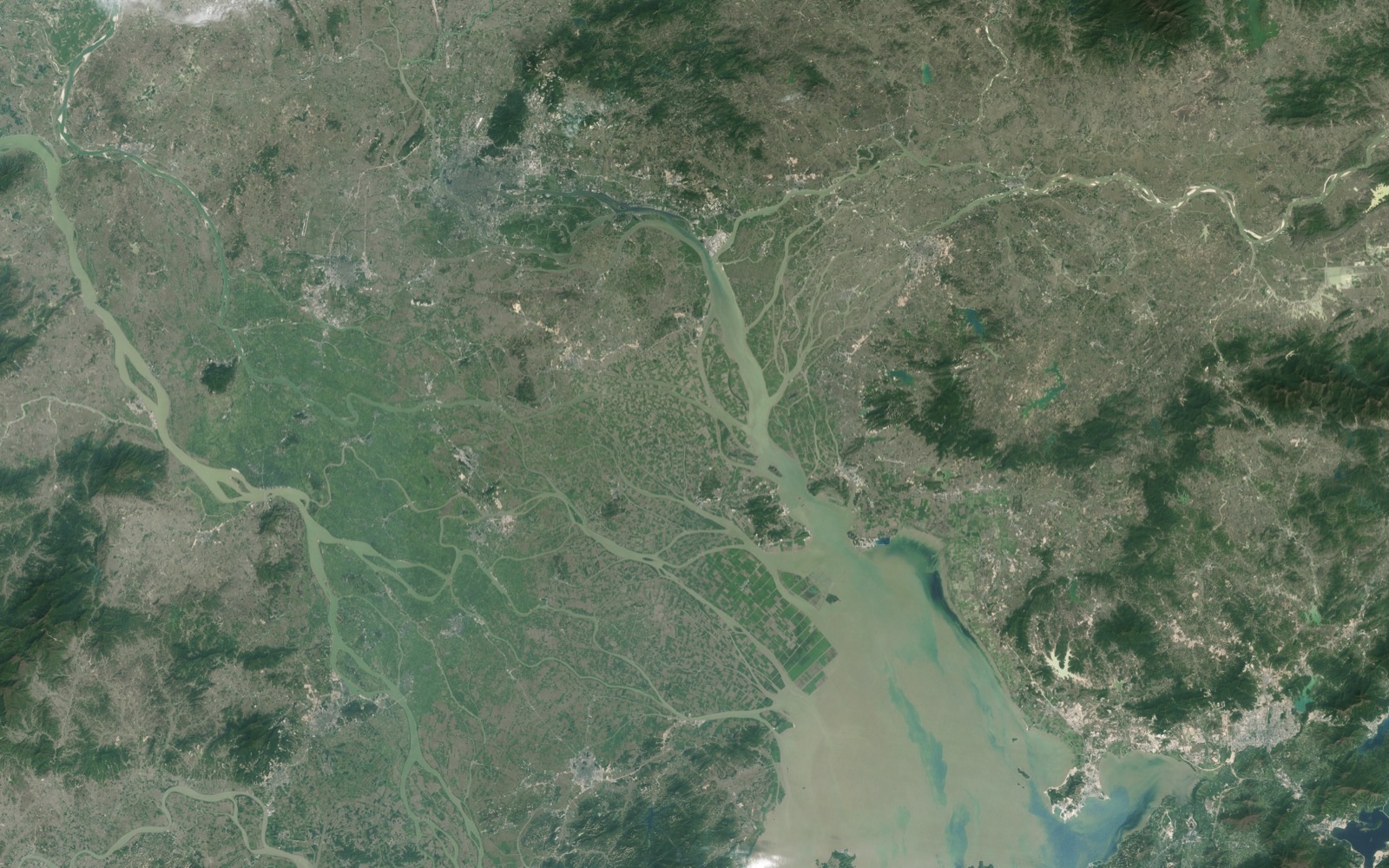
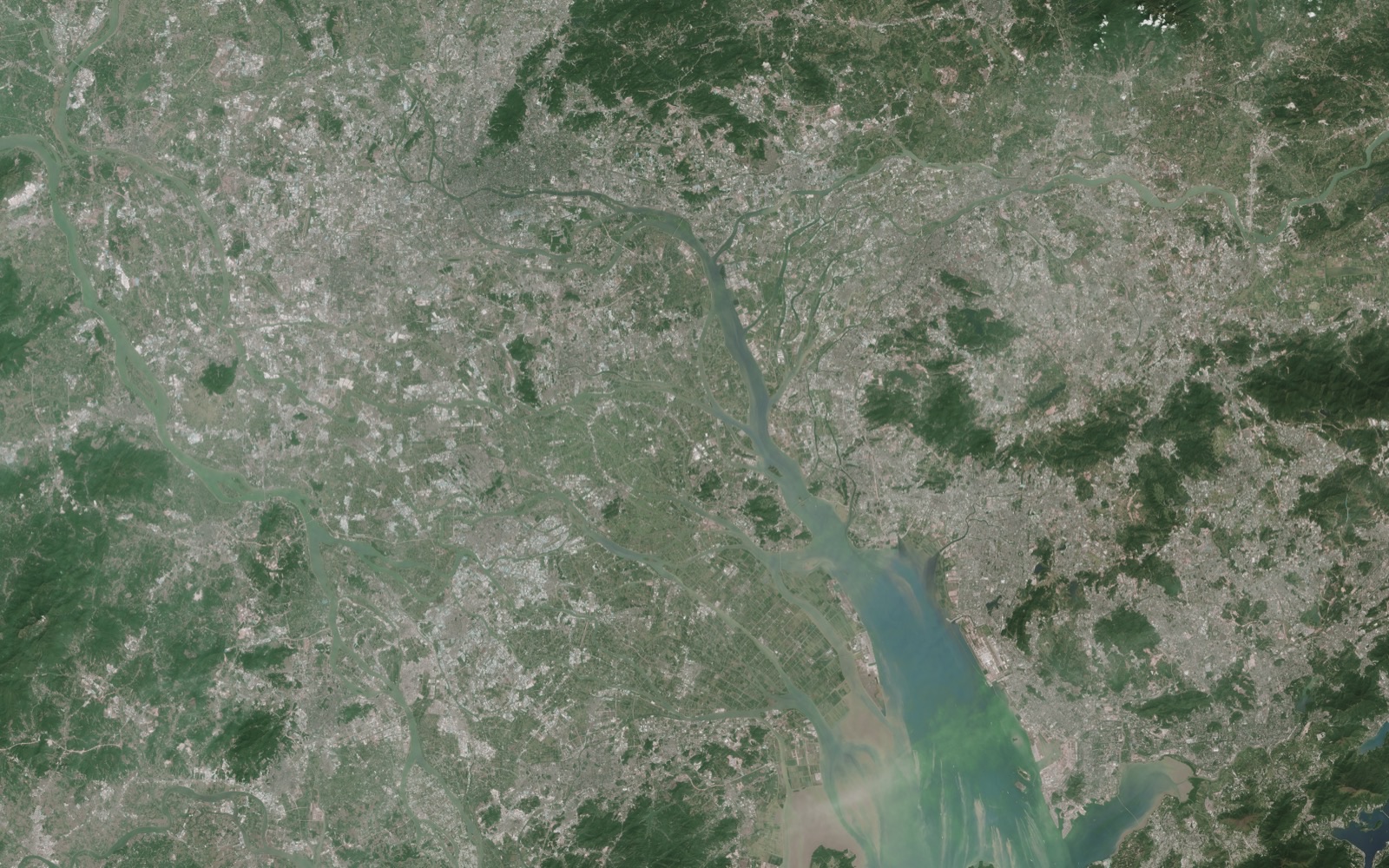
The Pearl River Delta from Landsat, the same frame 26 years apart. Left: 24 November 1988 (Landsat 5). Right: 16 November 2014 (Landsat 8). The grey is built-up land; Shenzhen and Hong Kong sit on the estuary at lower right. Images: NASA Earth Observatory, public domain.
What a special economic zone actually was
The idea sounds dry and was anything but. For most of the twentieth century China ran a planned economy where prices, output and investment were set from the top. A special economic zone was a fenced-off exception. Inside it, foreign companies could invest, joint ventures could form, workers could be hired and fired, and the whole apparatus of market pricing was allowed to operate as a controlled experiment.
Deng Xiaoping’s bet was that you did not have to reform the whole country at once. You could carve out a few zones, let them run hot, watch what worked, and copy it outward. If the experiment failed, it failed in a corner. If it worked, you had a template.
On 26 August 1980 the first three were approved in a single stroke: Shenzhen, Zhuhai and Shantou in Guangdong. Xiamen in Fujian was added that October, making four. Hainan, the whole island, became the fifth in 1988.
Shenzhen, Zhuhai and Shantou sit in Guangdong, Xiamen in Fujian, and Hainan is the island to the south. Shanghai's Pudong district, added in 1990, anchors the eastern coast further north. Shenzhen's advantage jumps off the map: it is the dot pressed right against Hong Kong.
Shenzhen's economy is now more than four times the size of Xiamen's and over ten times Shantou's. The same rules, applied on the same day, produced wildly different cities. That gap is its own lesson about how much geography and neighbours matter.
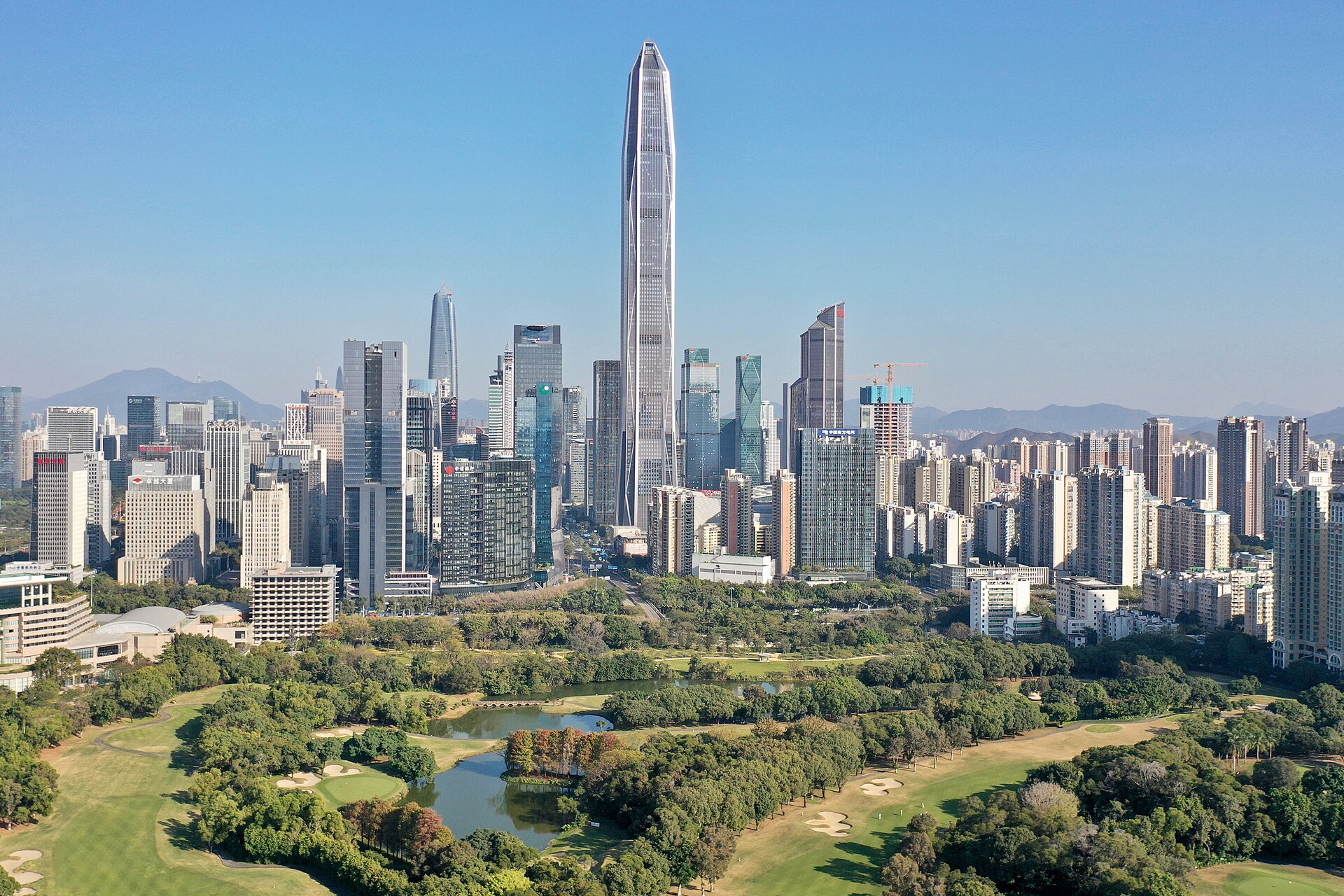
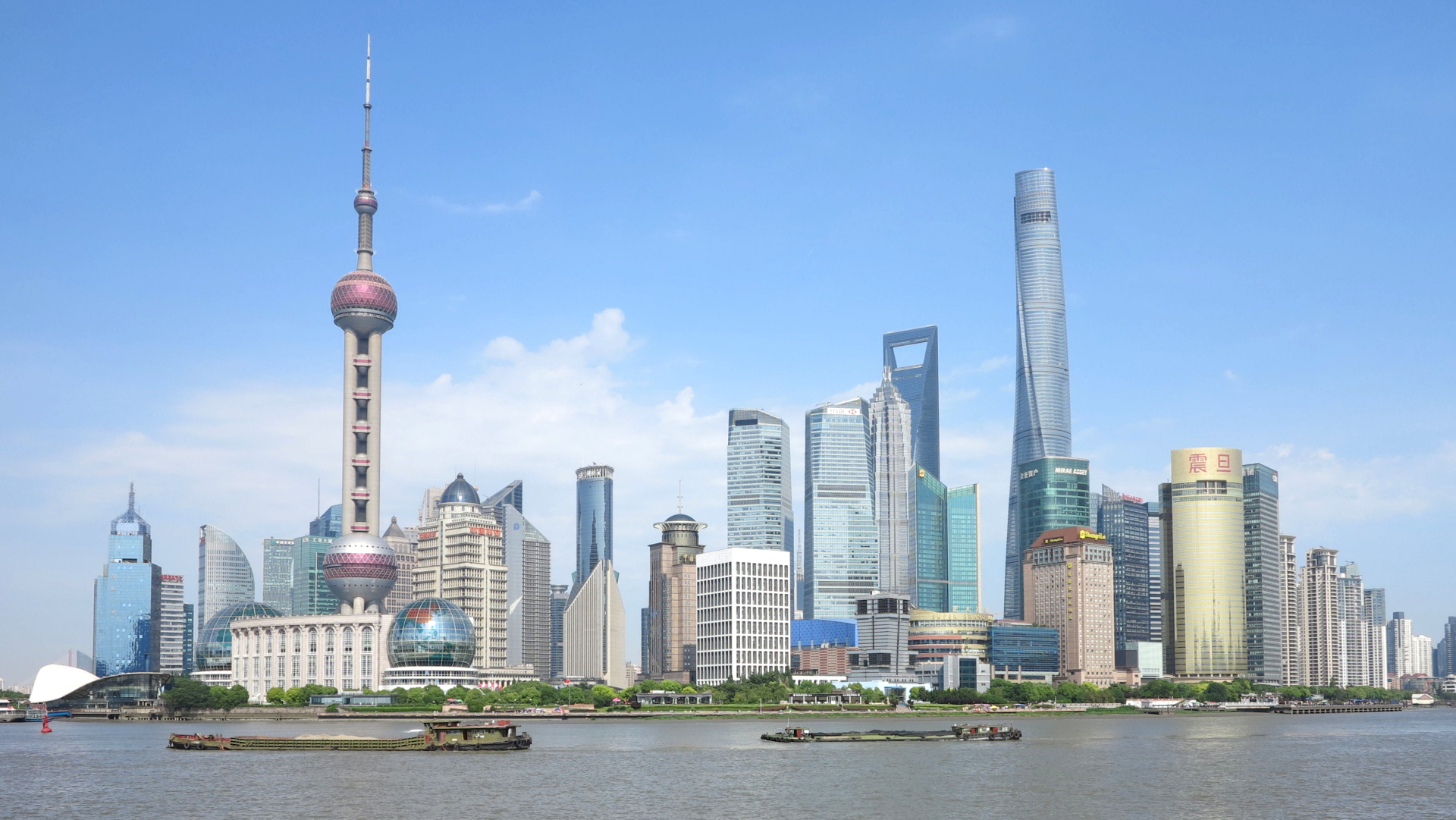
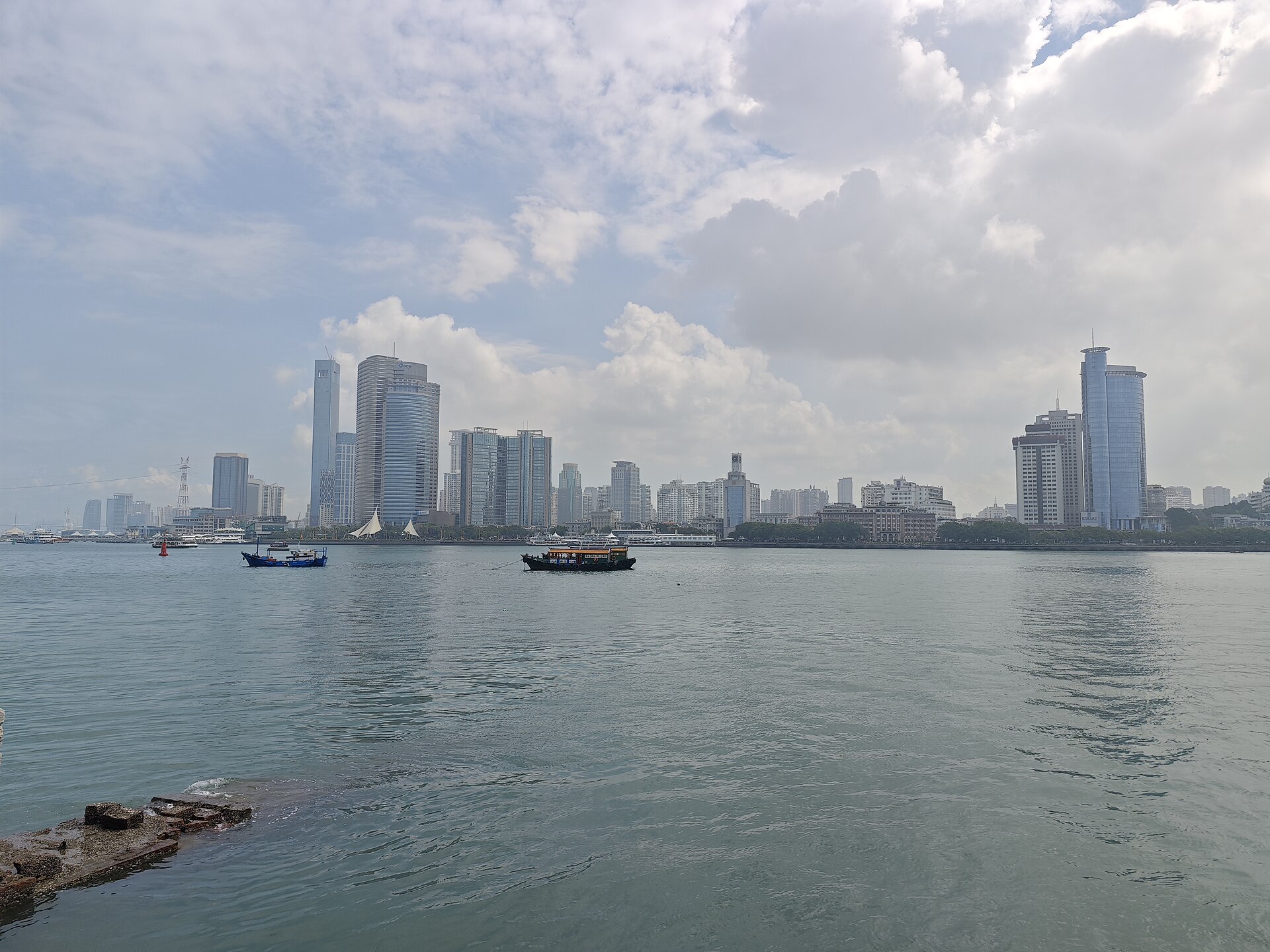
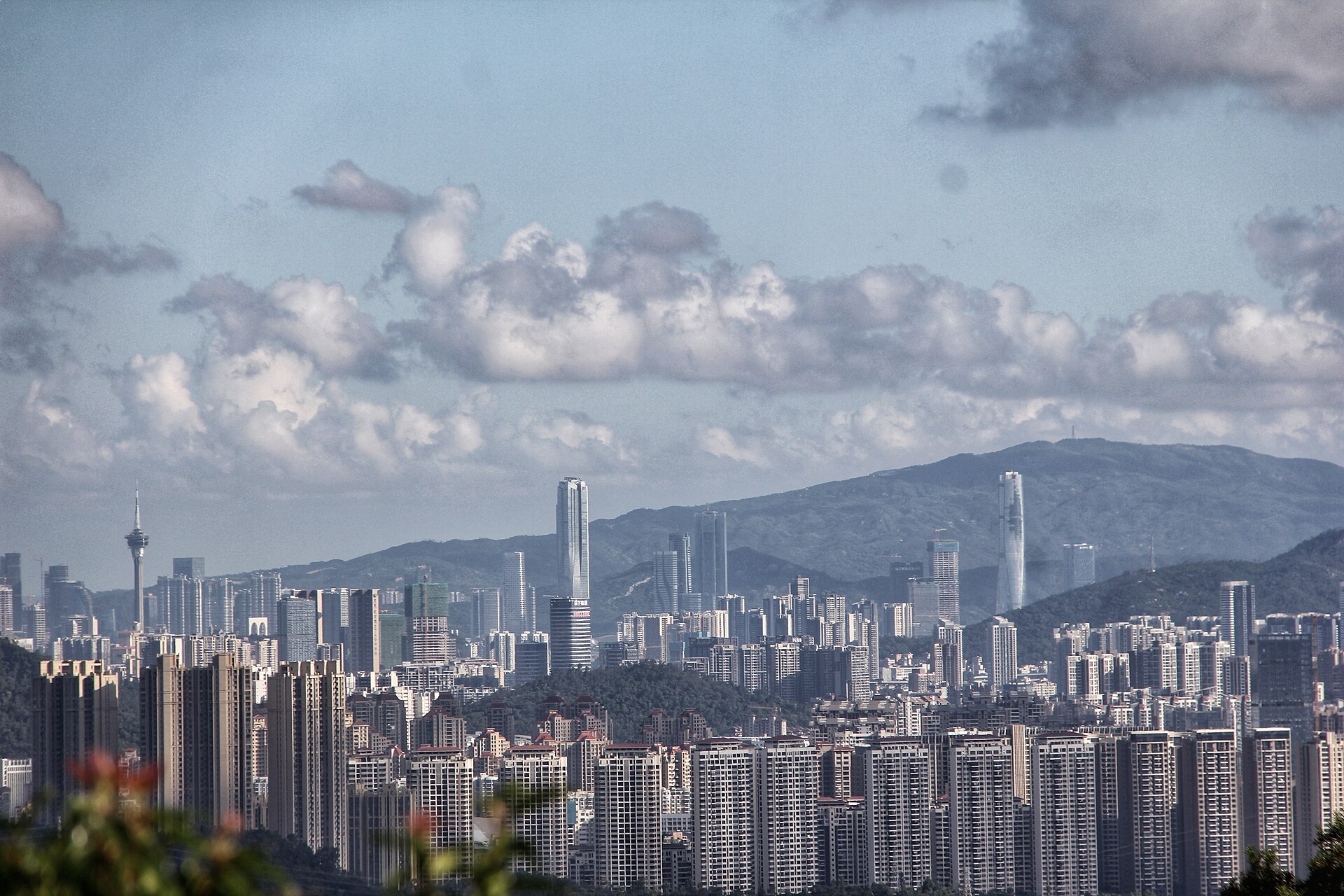
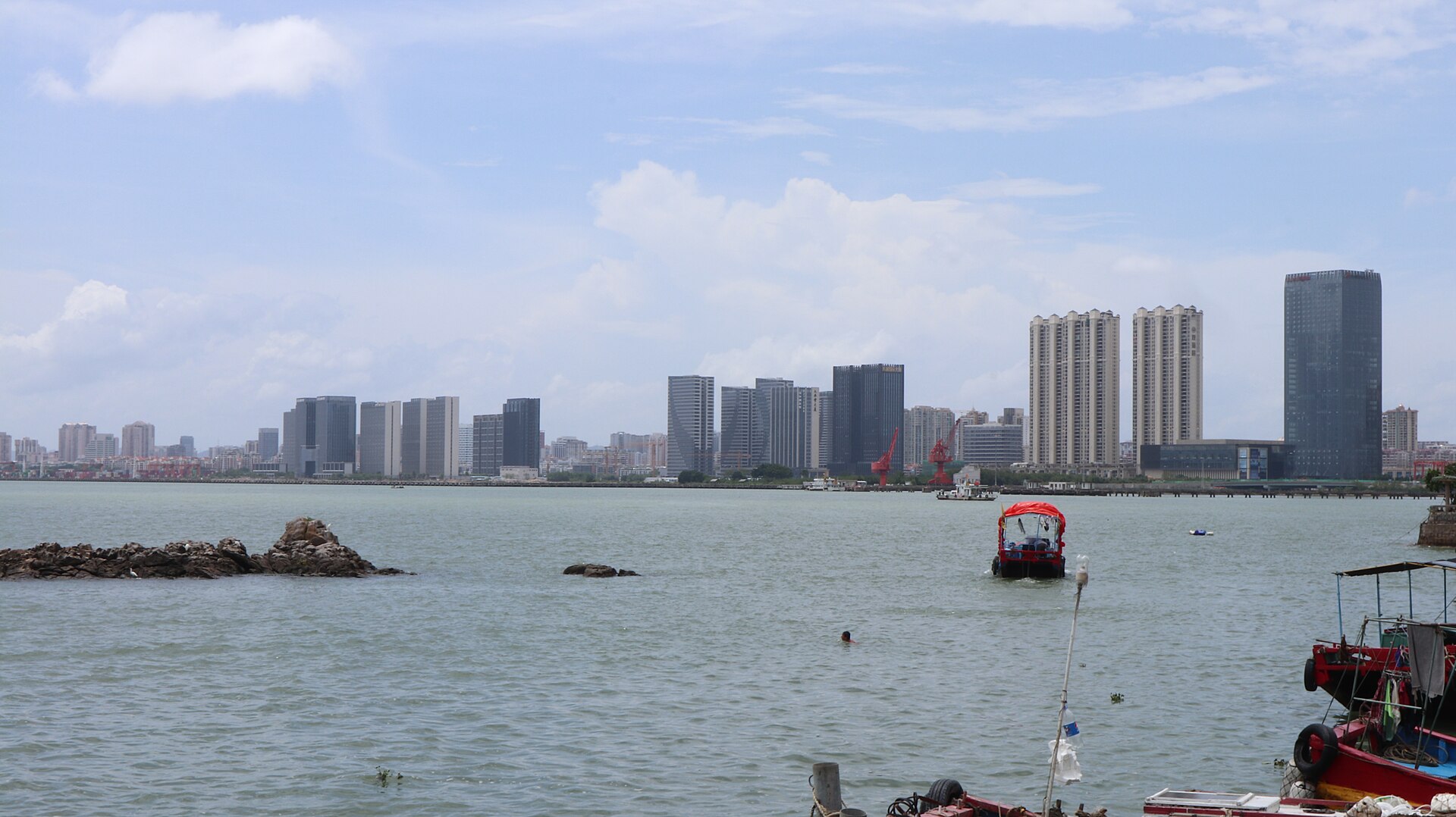
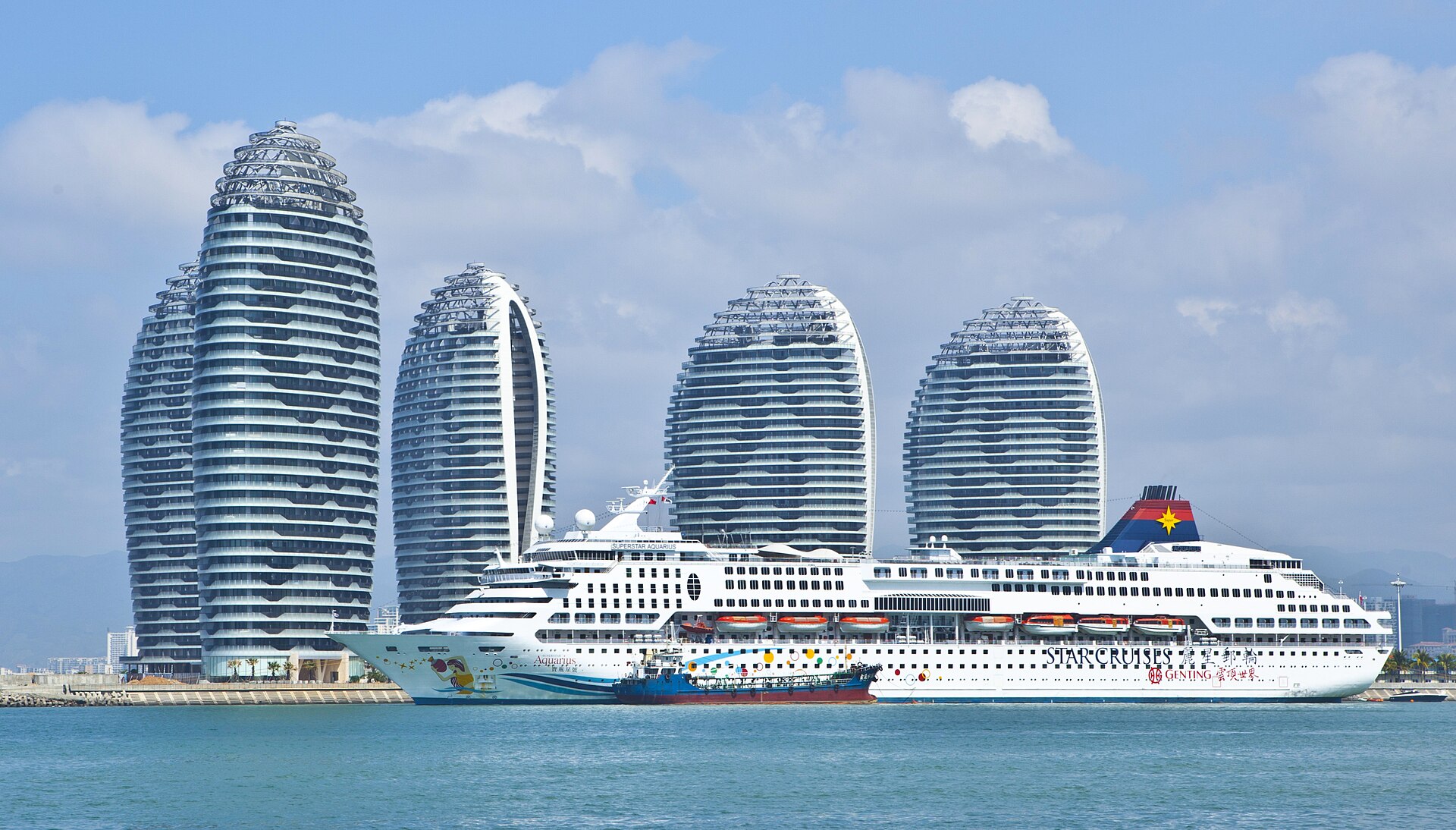
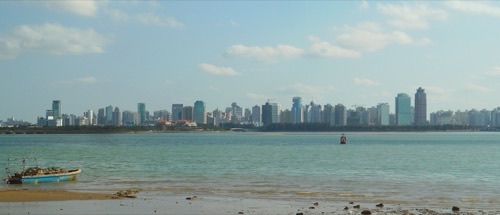
The contrast tells the story on its own. Shenzhen and Pudong grew into global skylines, Zhuhai and Xiamen into comfortable mid-size cities, and Shantou kept its fishing boats. Hainan is now betting on tourism and duty-free trade as the newest zone.
Same rules, different luck
The reason Shenzhen ran away from the pack is not a mystery: it sat directly on the border with Hong Kong, then one of the richest, most connected trading cities on earth. Capital, managers, orders and know-how flowed across that border the moment the gate opened. Shantou, in the far east of Guangdong, had a diaspora but no Hong Kong next door, and it stayed a mid-sized city.
So the zones are not a clean story of policy alone. They are a story about policy meeting geography. Draw the same line in two places and you get a global tech hub in one and a pleasant regional port in the other.
China did not stop at the first five. Pudong opened Shanghai's east bank to the same logic in 1990, and in December 2025 the entire island of Hainan began operating as a customs-sealed free-trade port, by area the largest zone China has ever run.
The sequels
The template kept getting reused. In 1990 China opened Pudong, the marshy east bank of the Huangpu River across from old Shanghai. Its economy went from around ¥6.0B in 1990 to roughly ¥1.67T in 2023, an increase of about 277 times, and today it holds the Shanghai Stock Exchange, the Lujiazui skyline and much of the country’s financial machinery.
The newest and boldest version is Hainan. Announced as a free-trade port in 2018 and sealed as an island-wide special customs zone in December 2025, it is China’s largest zone by area and an open attempt to build something closer to a Singapore or a Hong Kong under Chinese sovereignty, with low tariffs, zero duty on many goods and a lighter tax regime.
The idea went global
The most quietly remarkable thing about the Shenzhen experiment is not what it did to Shenzhen. It is that most of the rest of the world decided to copy it.
China alone accounts for nearly half of the world total. Counting zones is inexact, since a customs-sealed island and a single IT park both qualify, but every serious tally puts China first by a wide margin and the trend everywhere pointing up. Dot size reflects each country's number of zones; the grey dots are a sample of the many other economies now in the game. Figures are from UNCTAD's 2019 World Investment Report, its most recent full global inventory.
And where they sit today, by number of zones:
Shenzhen was not the first zone anywhere, Ireland's Shannon opened one in 1959, but China ran the experiment at a scale and speed that made the rest of the world stop treating zones as a curiosity and start treating them as policy.
For anyone trying to understand modern China, the zones are the cheat sheet. They are where the country test-drove capitalism, decided it liked the results, and then scaled the parts that worked. The molecule I wrote about in China’s GLP-1 licensing boom came out of exactly this world: a Hong Kong-listed company operating in the economy that Shenzhen and its siblings built.
Sources and further reading
The figures here are checkable, and I would rather hand you the receipts than ask you to take my word for it.
- Shenzhen’s GDP rising from 270 million yuan in 1980 to 3,460.6 billion in 2023 (about 12,800 times), and population from 332,900 to 17.79 million: Greater Bay Area / cnbayarea and CGTN.
- The four original 1980 zones and Hainan as the fifth in 1988: Special economic zones of China (Wikipedia) and Our China Story.
- 2023 GDP for Xiamen (806.65B), Zhuhai (423B) and Shantou (320.6B): Xiamen Bureau of Commerce and CEIC.
- Pudong’s GDP from 6.0B (1990) to 1.67T (2023): CEIC Pudong New Area.
- Hainan Free Trade Port, announced 2018 and sealed island-wide in December 2025: Hainan Free Trade Port (Wikipedia) and PRC Embassy.
- Roughly 5,400 zones across 147 economies today, up from about 4,000 five years earlier, with China holding the most (2,543), then the Philippines (528), India (373), the United States (262) and Russia (130): UNCTAD World Investment Report 2019: Special Economic Zones and UNCTAD press release.
- The global count over time (79 zones in 1975, 176 in 1986, 845 in 1997, about 3,500 in 2006, around 5,400 by 2019): ILO figures compiled in UNCTAD WIR 2019, chapter 4.
City photographs are from Wikimedia Commons, reused under their respective licences with credit in each caption (Shenzhen, Charlie fong; Xiamen, JULIANISME; Zhuhai, Chinyen Lu; Shantou, Puekai; all CC BY-SA 4.0; Pudong, Hainan/Sanya and Haikou, CC0). The before-and-after satellite images of the Pearl River Delta are from NASA Earth Observatory, acquired by Landsat 5 (24 November 1988) and Landsat 8 (16 November 2014), and are in the public domain. The maps are drawn from Natural Earth public-domain data.
A note for journalists and editors. You are welcome to quote or cite this piece, and corrections are genuinely welcome. Reach me on LinkedIn or via the about page. Suggested citation: Dotzauer, D. (2026). China Ran an Experiment in 1980. It’s Called Shenzhen. First Foreigner. https://firstforeigner.com/articles/china-special-economic-zones/
Want more stories like this?
First-hand insights from China. No spam, no fluff.