I Got My Ingrown Toenail Fixed by a $2 Billion Empire I'd Never Heard Of
11pm. Shenzhen. My ingrown toenail had been getting worse for ten days across three cities. I found a 9,000-store healthcare empire that doesn't exist anywhere in the West.
11pm. Shenzhen. My ingrown toenail had been getting worse for ten days across three cities. I searched Dianping, found a Zheng Yuan Yuan store 100 meters away, and walked in. What I found was a 9,000-store healthcare empire that doesn’t exist anywhere in the West.
I’d been traveling from Suzhou to Shanghai to Shenzhen with a toe that was visibly inflamed. A surgeon in Thailand had operated on it before and was skeptical about further treatment. In Germany, getting this fixed at 11pm on a weeknight would require an emergency room visit, a 4-hour wait, and a bill that would make my health insurance weep.
In Shenzhen, I opened Dianping, typed “修脚” (foot care), and found a place with 639 reviews and a 4.8-star rating less than a block away.
I walked in with my laptop under my arm. I had code to ship.
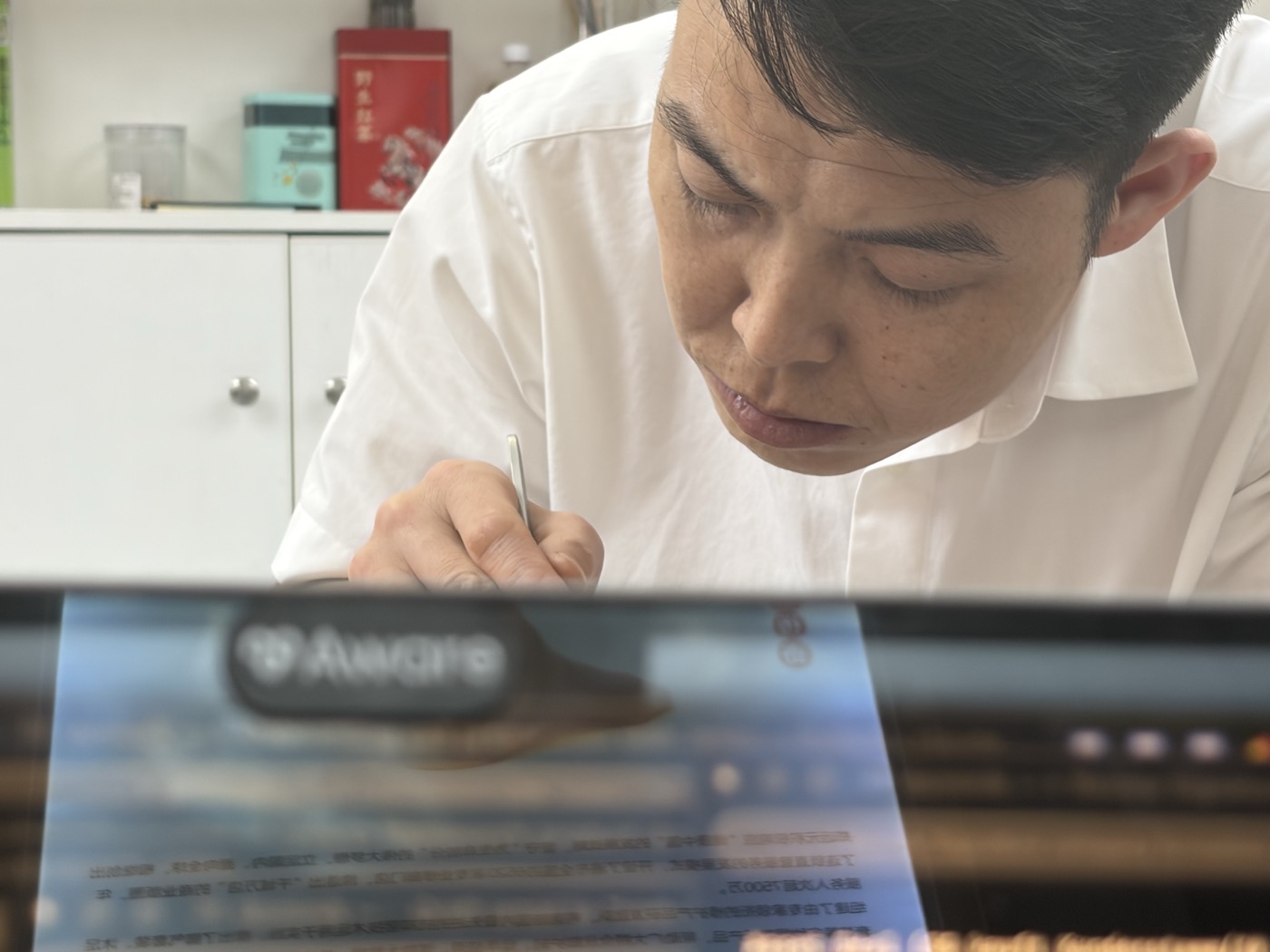
A foot care specialist works on my ingrown toenail with a traditional 修脚刀 scalpel. Shenzhen, 11pm. My laptop glows in the foreground.
The Treatment
The store looked like a cross between a spa and a clinic. Branded chairs with the Zheng Yuan Yuan logo embroidered on white covers. A gold “YY” ceiling light. Shelves of TCM products behind the counter. USB charging ports at every station.
They started with a foot soak in an orange wooden barrel lined with plastic. Warm herbal water. The first technician, a young woman in a white uniform with a name badge reading “李翠丹,” worked on the massage and initial assessment.
Then she made a call.
For the ingrown toenail, she brought in the specialist. A male technician, older, clearly more experienced. He sat down, examined the toe, picked up a thin steel scalpel (the traditional 修脚刀), and went to work with the kind of focused precision you see in surgeons.
I had my laptop open the entire time, writing code while he operated. Nobody found this unusual.
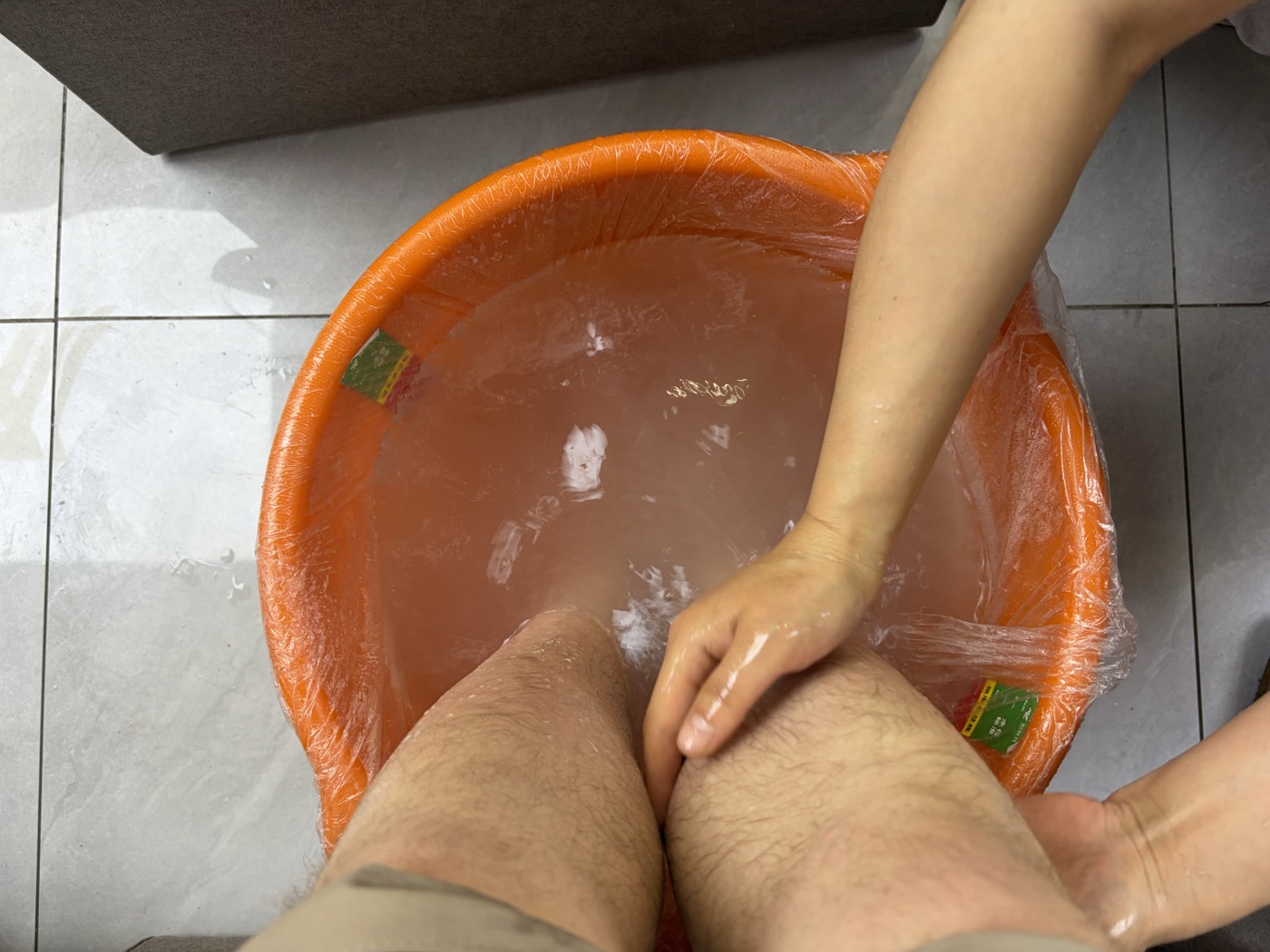
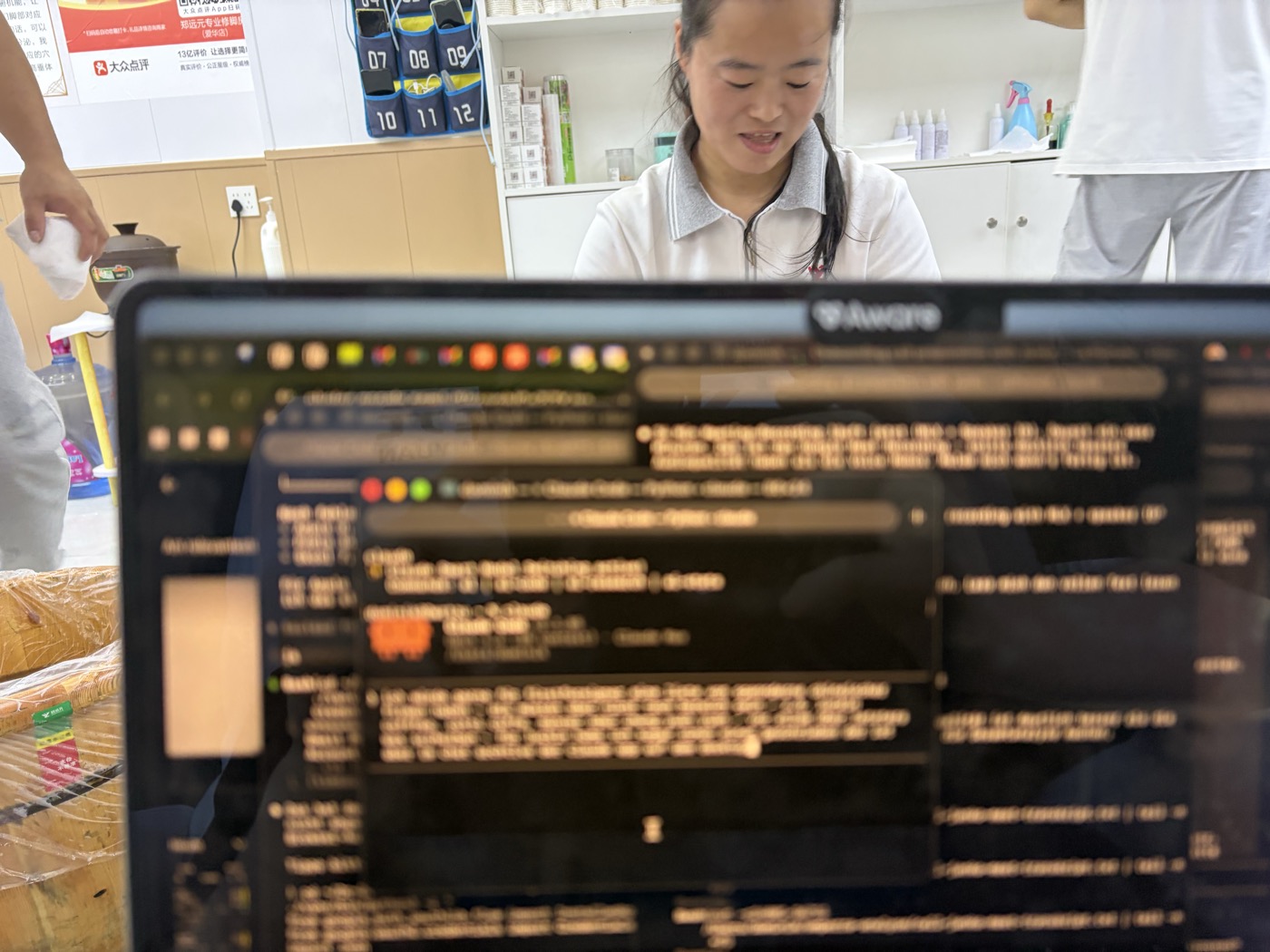
Left: the herbal foot soak in a traditional wooden barrel. Right: code on the laptop, foot massage in progress.
After the nail work, he moved to the corn on my other foot. Removed it cleanly. The whole process took about an hour.
Then came the part that surprised me more than the treatment itself: the business model.
The Tech Stack
The technician pulled out a tablet running what looked like a custom enterprise app. Logo: 远元集团 (Yuanyuan Group). He photographed my toe, documented the treatment, and created a digital patient file with my name, phone number, and treatment history. I signed on the screen.
The file showed: patient DOMINIK, archive number JSH01202600034, store location 深圳市爱华路翠华大厦店, technician 李翠丹, treatment date 2026-03-28.
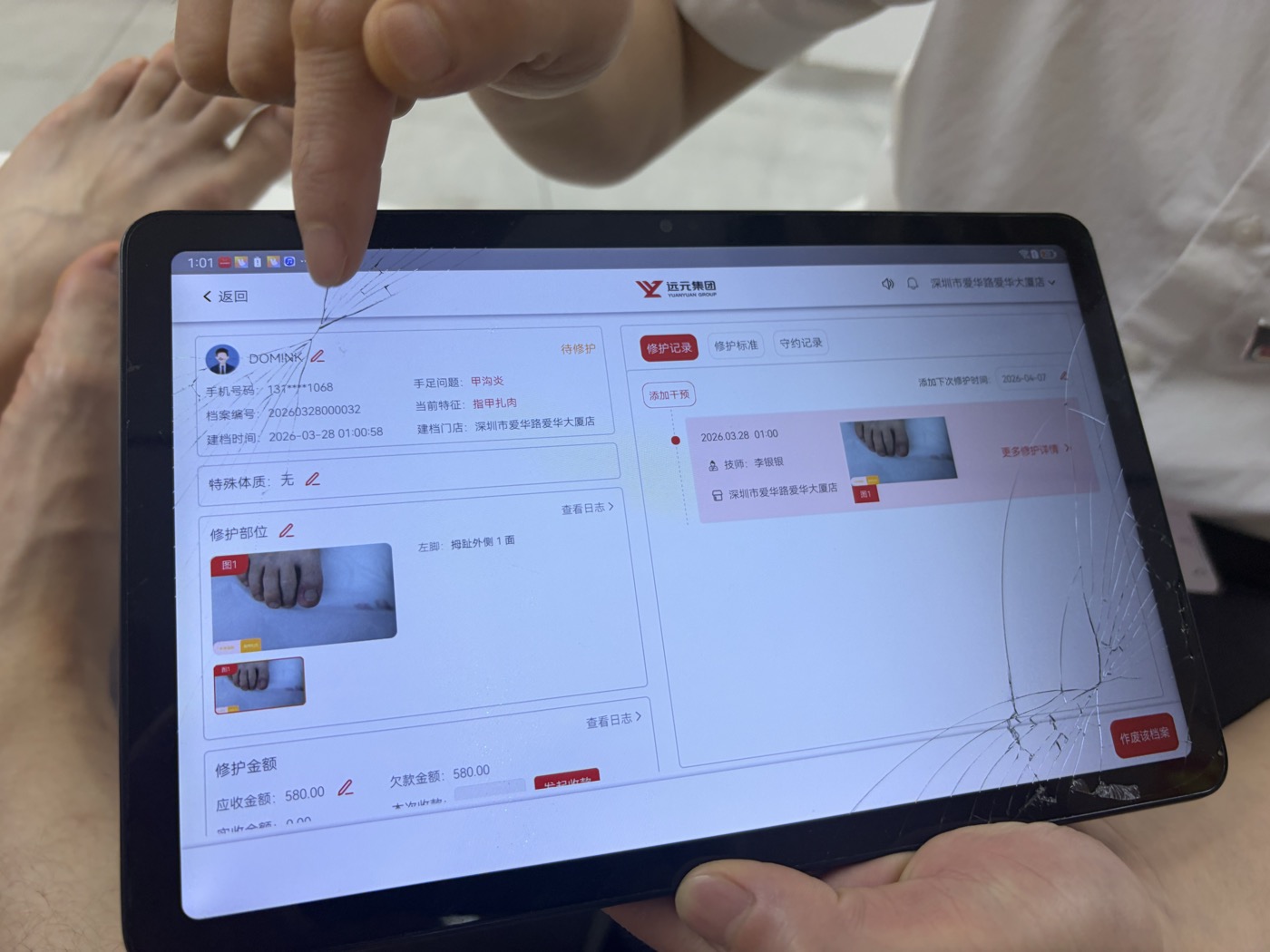
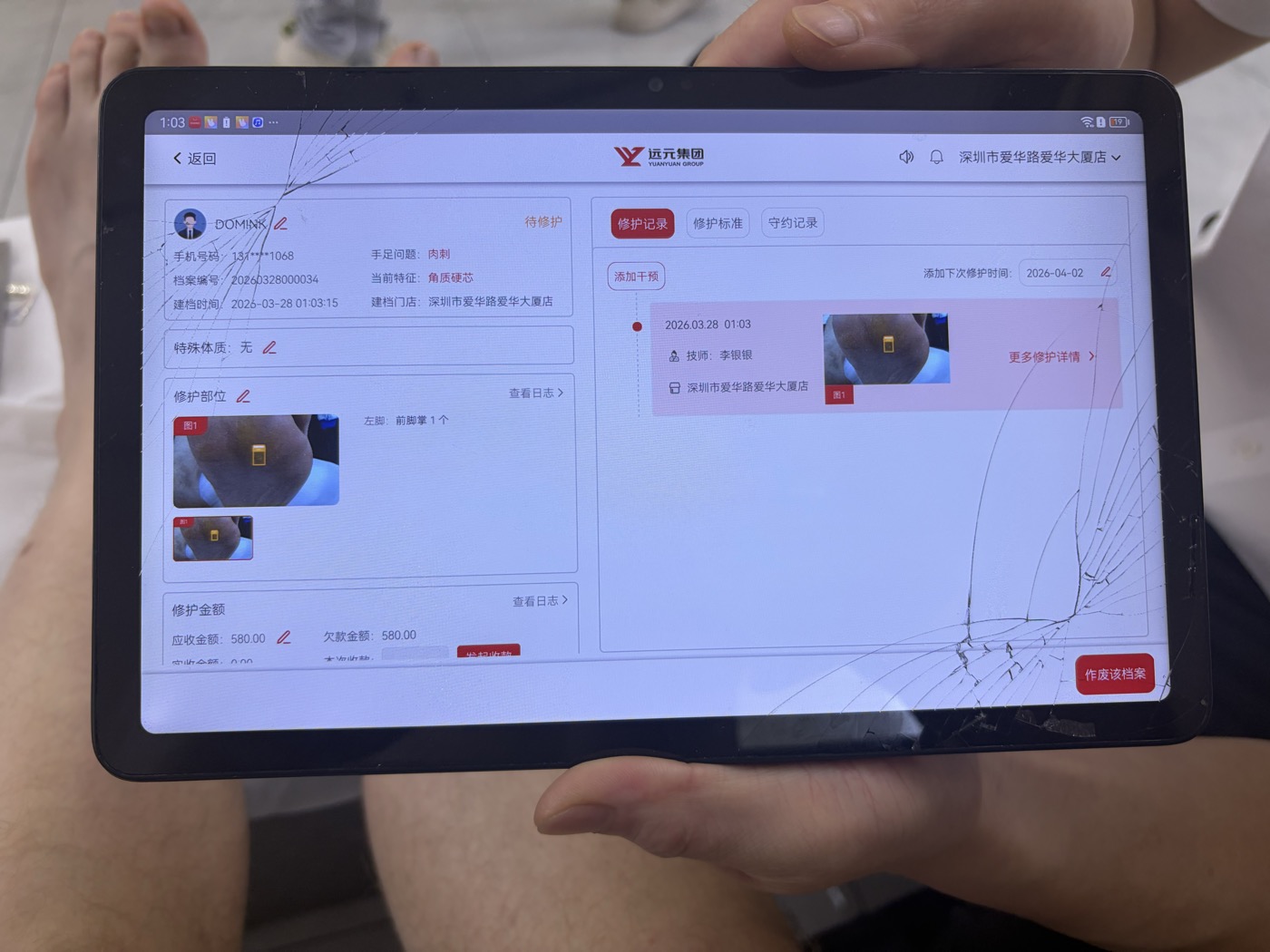
The 远元集团 enterprise tablet system. Left: 4-step treatment workflow. Right: my patient file with treatment photos and next appointment.
He pulled up a calculator. 580 x 2 = 1,160 RMB (about $160 USD). One charge for the ingrown nail, one for the corn removal.
But they didn’t just bill me for a single visit. They offered a treatment package: pay a fixed price, come back until it’s healed. Value-based care, not fee-for-service. My next appointment was scheduled five days later.
They also tried to sell me TCM herbal products. I declined. They offered me membership in their app, which I apparently already had (Silver Member, 白银会员), with status points, gamification, and a top-up balance system. SMS reminders for my next visit were already set up before I left the store.
A detail I only noticed later: by paying in multiple 200 RMB installments (cheaper per-unit pricing through the loyalty system), I’d accidentally jumped from Silver to Diamond Member (钻石会员) in a single visit. One evening. 1,639 health points. Two membership cards. VIP perks including free maintenance visits and birthday bonuses. Their gamification system is aggressive and effective.
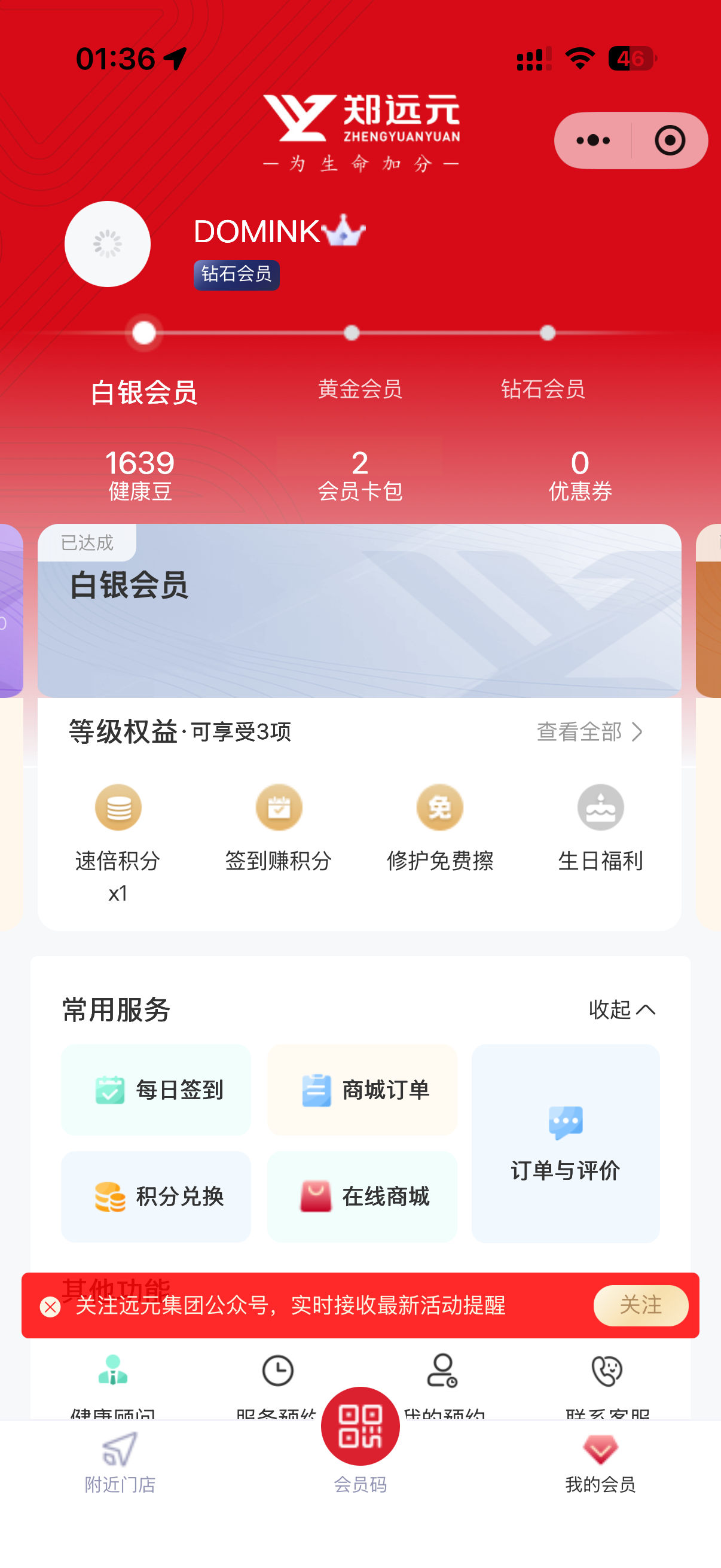
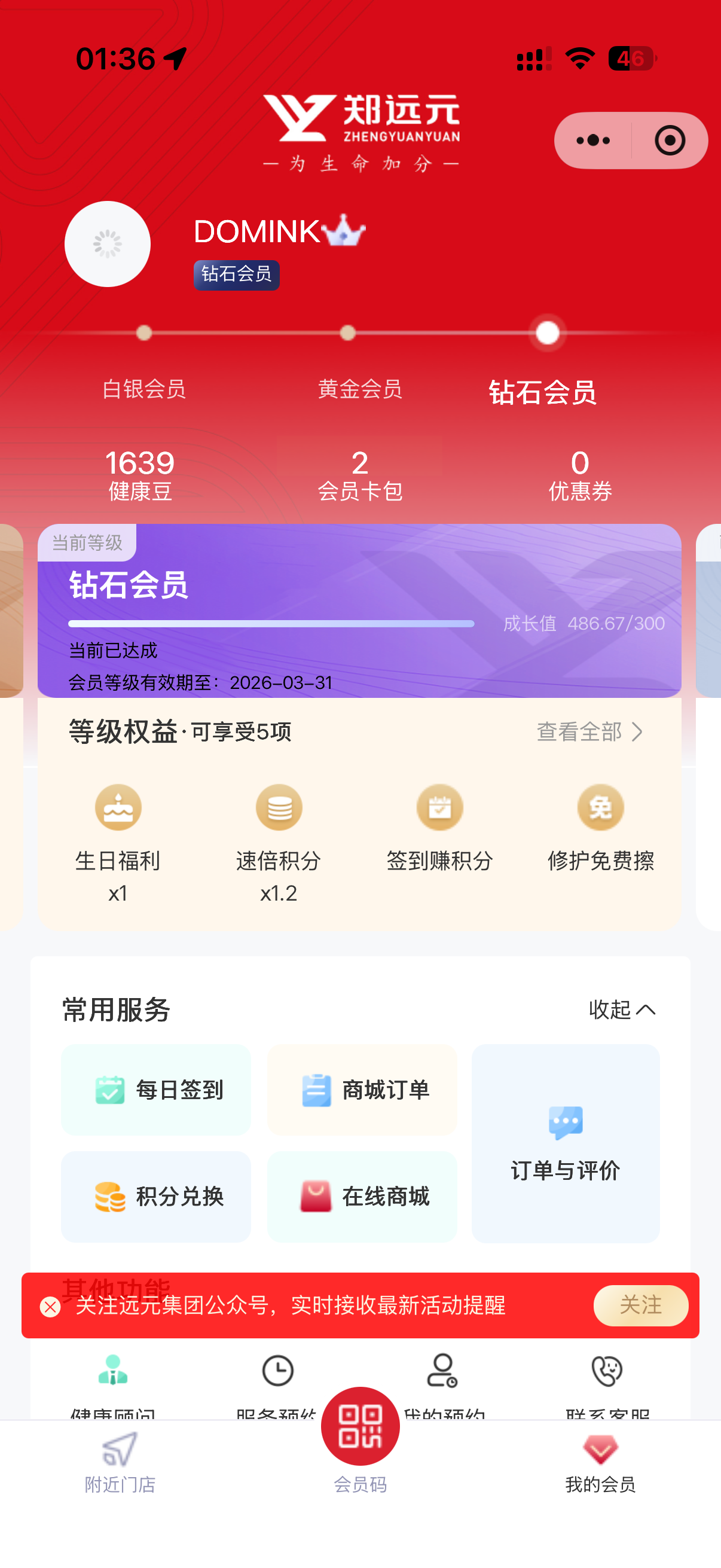
Left: Silver Member when I walked in. Right: Diamond Member when I walked out. One visit.
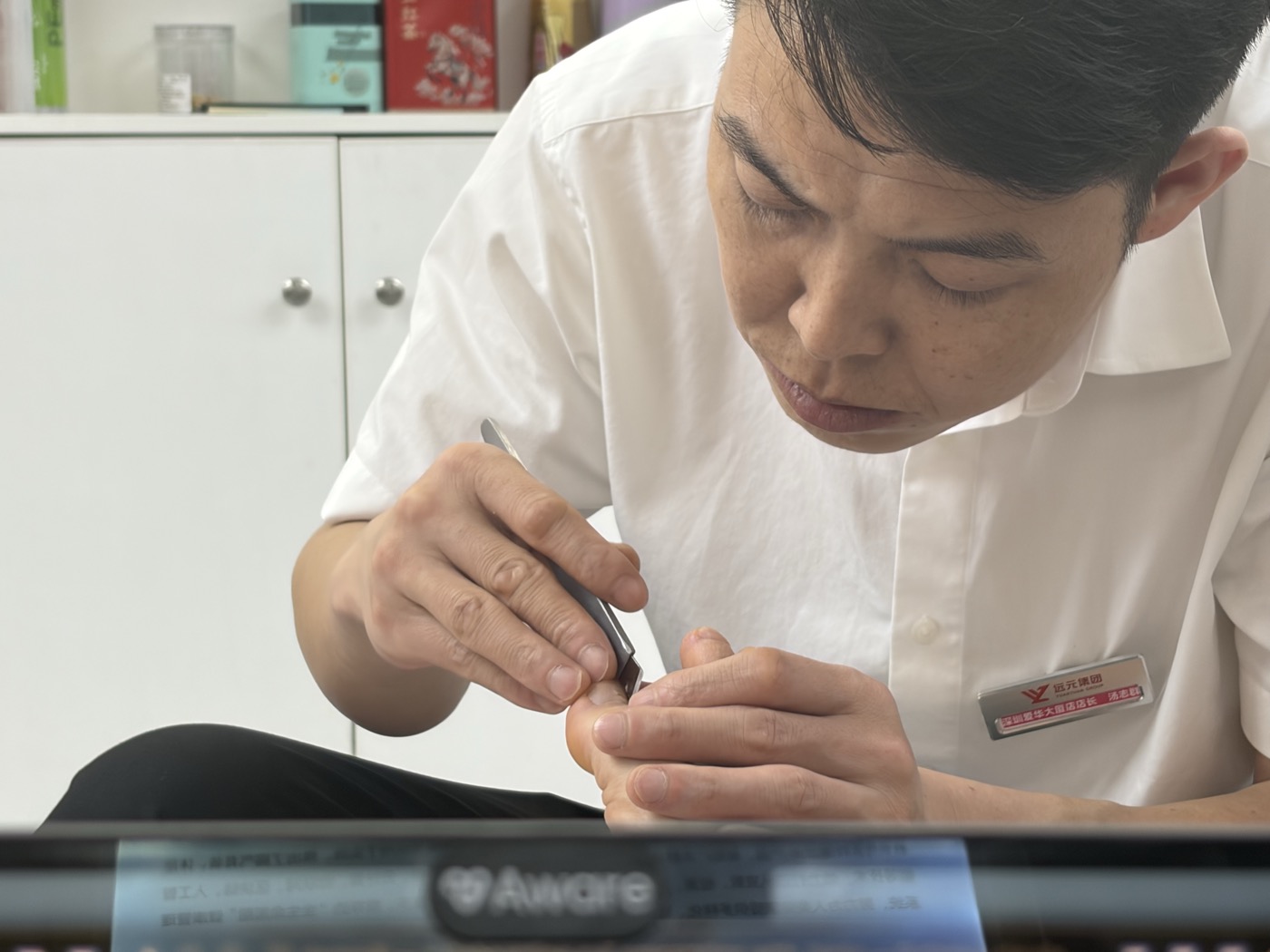
The specialist, called in for the hard case. Traditional 修脚刀 scalpel, laptop glowing in the foreground. Two worlds, one chair.
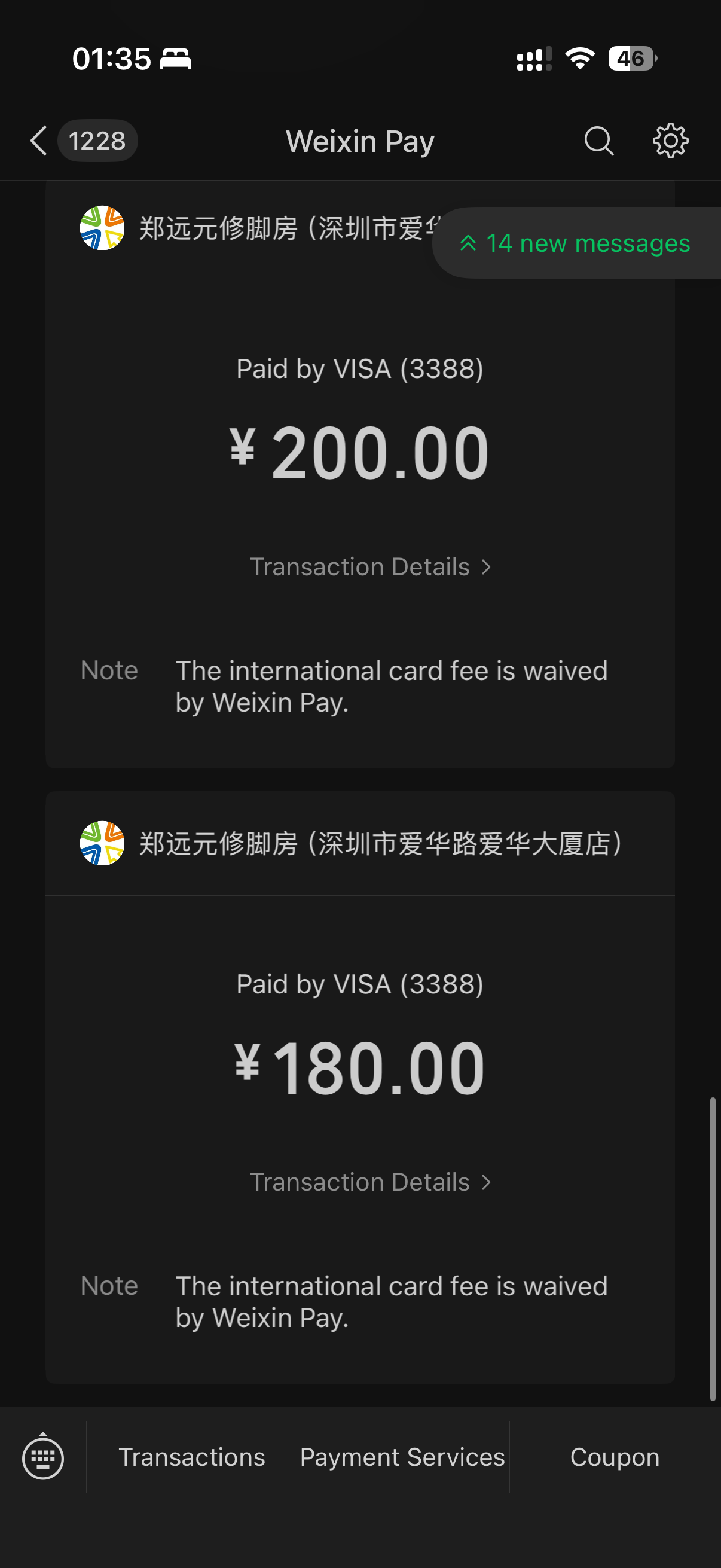
WeChat Pay receipts. Multiple smaller payments = loyalty points = Diamond status in one visit.
I walked out at midnight, toe bandaged, corn gone, already enrolled in a loyalty program I didn’t know I had.
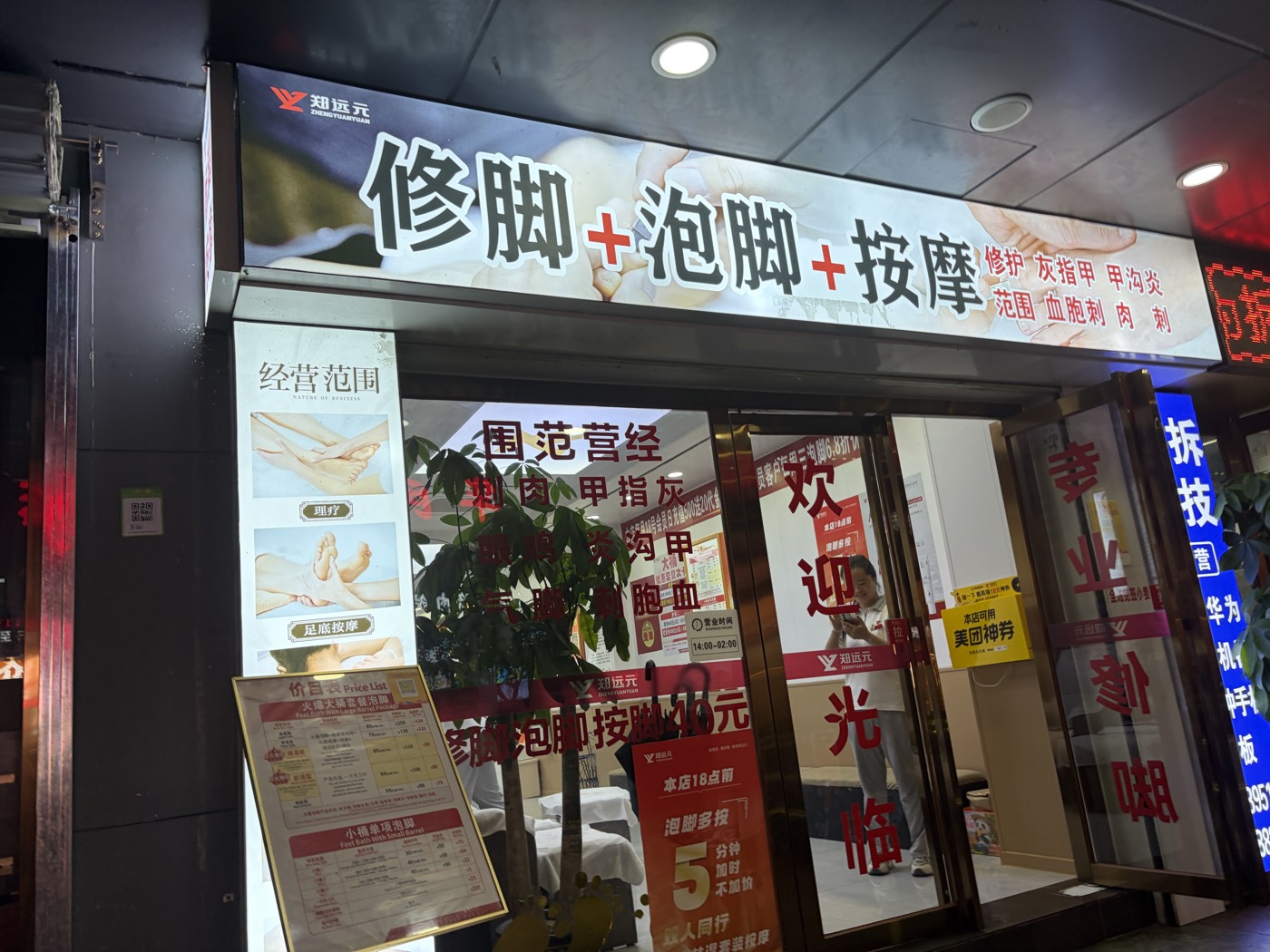
The storefront at midnight. 修脚+泡脚+按摩 (foot care + foot soak + massage). Still open, still busy.
What Is 修脚?
修脚 (xiujiao, literally “repair foot”) is one of the oldest continuous medical traditions in China. References to foot care appear on Shang Dynasty oracle bones from roughly 1300 BCE. By the Qing Dynasty, xiujiao had become a recognized profession, traditionally grouped with acupuncture and massage as one of China’s “three great national arts” (三大国术).
Three regional schools developed over centuries: the Northeast school (centered on Beijing techniques), the Jiangsu school (centered on Yangzhou, considered the most refined), and the Shandong school (centered on Jinan).
Nothing equivalent exists in the West. In Germany or the US, foot problems go to a podiatrist: a medical doctor, expensive, insurance-dependent, appointment weeks out. In China, foot care sits at the intersection of traditional Chinese medicine, manual therapy, and daily wellness culture. The practice of 泡脚 (foot soaking) is a mainstream health habit, particularly among older adults.
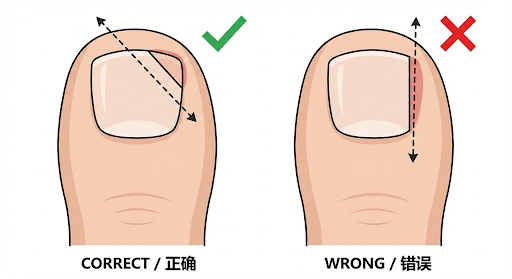
The Zheng Yuan Yuan nail technique diagram. Correct: straight across. Wrong: curved edges that grow into the flesh.
The Chinese massage and foot therapy industry reached approximately 671 billion yuan ($93 billion USD) in 2024. Xiujiao is a subset of that, but even the narrower foot care segment alone runs in the hundreds of billions of yuan.
From 5 Yuan to 9,000 Stores
郑远元 was born in January 1983 in Ziyang County, Shaanxi province. Not Guizhou, as some English sources claim. Ziyang was one of the poorest counties in China. Four siblings. The family couldn’t afford school fees.
He dropped out of middle school at 14.
He moved to Dazhou in Sichuan province to live with his uncle, who practiced traditional foot care. He learned the craft while washing dishes at restaurants to survive. By 19, he moved to Hanzhong looking for work. Nobody would hire him.
With 5 yuan left in his pocket (about 70 cents), he set up a street stall. Price: 3 yuan for basic foot care, 5 yuan for corn removal.
On his first day, he worked from 10am until dark and earned 120 yuan. He later called this his “first pot of gold.”
In 2005, an elderly customer whose foot problem Zheng had cured told him to open a proper shop. He scraped together his savings, rented a 30-square-meter storefront, and opened his first location. He couldn’t think of a name, so he used his own: 郑远元专业修脚房. His sister and sister-in-law were his first employees.
Then it scaled.
- 2005: 1 store — first shop in Hanzhong
- 2007: ~10 stores — formal company registration
- 2013: 450 stores — 21 provinces covered
- 2017: 2,006 stores — passed 2,000 milestone
- 2019: 5,000+ stores — store manager equity program launched
- 2025: 9,103 stores — 74,645 employees, expanding globally
9,103 stores across 30+ provinces. More than 75% of all KFCs in China.
Annual revenue: approximately 13 billion yuan ($1.8 billion USD). 108 million customer visits per year. That’s roughly 1 in 13 Chinese people getting their feet done at a Zheng Yuan Yuan store annually.
Zero venture capital. Ever. The business generates cash from day one. VCs only started paying attention when stores hit 6,000, and by then, Zheng didn’t need them.
The Poverty Pipeline
This is where the story gets structurally interesting.
Zheng Yuan Yuan is not a franchise. Only about 200 of the 9,000+ stores are franchised, and those are limited to small remote cities. Every store in Beijing, Shanghai, Guangzhou, and Shenzhen is directly operated. Store managers hold equity stakes in their locations through a program launched in 2019, aligning incentives without losing central control.
The real scaling secret is the labor pipeline.
Starting in 2014, Zheng partnered with the Ziyang county government in a model they call “government-led + enterprise + training base + directed employment.” The government provides funding and facilities. Zheng’s company provides teachers and guaranteed jobs. Training is free: no tuition, no living costs.
The numbers are staggering. 43,000 foot care technicians have been trained through Ziyang programs. 54,000 people from this single county (registered population roughly 323,000) now work in the foot care industry. That’s about 17% of the entire county’s population, or 36% of its labor force.
The Ziyang county government officially lists “pedicure and foot bath” as one of its four pillar industries, alongside selenium-rich food, traditional medicine, and cultural tourism. The county’s foot care ecosystem generated 30.8 billion yuan in 2024.
A county restructured its entire economy around foot care. Try explaining that to a Western urban planner.
The Dark Side
An honest article about Zheng Yuan Yuan needs this section.
In 2025, investigative journalists in Beijing visited four stores. At two locations, reporters were “diagnosed” with nail fungus using a tablet app that showed a greater than 98% infection probability. The reporters had been examined by doctors at three different hospitals before and after. All confirmed: no nail fungus.
The economics explain the incentive. Basic foot care costs around 65 yuan. Nail fungus treatment? 680 to 980 yuan per toenail. For all ten toes: 6,800 yuan minimum. The average monthly salary in China is about 8,500 yuan. Getting your toenails treated could cost nearly a month’s pay.
There are over 750 complaints on Heimao (黑猫投诉, China’s main consumer complaint platform). Over 80% relate to deceptive charges, forced card sign-ups, and ineffective treatments.
Then there’s the training question. The traditional xiujiao apprenticeship takes three or more years. Zheng Yuan Yuan compressed this to 12 to 20 days. Industry experts have raised concerns about whether technicians with weeks of training can handle complex cases safely.
My own experience was professional. The specialist they called in for my ingrown nail knew exactly what he was doing. His hands were steady, his technique was precise, and the result was good. But the structural incentive to over-diagnose high-margin conditions like nail fungus is obvious, and the complaint data suggests it’s not theoretical.
Brooklyn, New York. 11:00 AM.
In 2024, Zheng Yuan Yuan opened its first US location at 189 Court Street in Brooklyn. Twelve minutes from Wall Street. Opening promotion: $10 for a foot soak, massage, and basic foot care.
A second location followed in Manhattan’s Chinatown at 196 Hester Street. Stores also opened in Ho Chi Minh City and Phnom Penh.
The company’s five-year target: 50,000 stores worldwide. For context, McDonald’s operates approximately 43,500 locations globally.
Can 修脚 translate culturally? The wellness layer (foot soak, massage, the gamified app) might travel well. Americans spend plenty on pedicures and spa treatments. But the medical layer, the specialized ingrown nail and corn work that brought me through the door, that requires trust in a tradition most Westerners have never encountered.
What I can say: the ingrown toenail treatment I received at 11pm in Shenzhen was objectively better, faster, and cheaper than anything available to me in Berlin. The specialist was more experienced with this specific problem than any Western podiatrist I’ve seen, because he does nothing else, eight hours a day, every day.
What This Actually Tells You About China
The story here isn’t about feet.
It’s about what China does with industries the West doesn’t take seriously. A 14-year-old dropout built a $1.8 billion empire from a 3-yuan street stall. Zero VC. Zero foreign technology. Zero MBA. The government didn’t just permit it. They restructured an entire county’s economy around it.
In Germany, treating an ingrown toenail requires a Podologie license (three years of training), health insurance approval, and usually a doctor’s referral. The system optimizes for credentials. In China, I walked into a chain store at 11pm and a specialist fixed it while I wrote code on my laptop.
This pattern — traditional skill plus standardized chain model plus poverty alleviation pipeline plus digital infrastructure — is how China actually scales industries. Not just in tech. In foot care. In electric vehicles. In travel booking. In everything.
The image I keep coming back to: a specialist hunched over my toe with a traditional scalpel, shelves of TCM products behind him, while my laptop screen glows with a code terminal in the foreground. Two worlds. One chair. That’s China in 2026.
FAQ
How much does Zheng Yuan Yuan cost? Basic foot care and massage starts around 65 yuan ($9 USD) for members. Specialist treatments like ingrown toenail correction run 100 to 580 yuan depending on severity. Premium packages (treatment until healed) cost more upfront but include follow-up visits.
Is Zheng Yuan Yuan safe? For basic foot care and common procedures like corn removal, generally yes. Be cautious about nail fungus (灰指甲) diagnoses. Investigative reports have documented stores over-diagnosing this high-margin condition. If diagnosed with nail fungus, get a second opinion from a hospital dermatology department before committing to treatment.
How many Zheng Yuan Yuan stores are there? 9,103 stores across 30+ Chinese provinces as of early 2025, with 74,645 employees. International locations include Brooklyn and Manhattan (New York), Ho Chi Minh City (Vietnam), and Phnom Penh (Cambodia).
What is 修脚 (xiujiao)? Traditional Chinese foot care dating back to the Shang Dynasty (roughly 1300 BCE). Combines nail trimming, callus and corn removal, ingrown nail treatment, and foot massage using specialized blades (修脚刀). Considered one of China’s “three great national arts” alongside acupuncture and massage.
How much does ingrown toenail surgery cost in China? At Zheng Yuan Yuan, ingrown toenail treatment costs 100 to 580 RMB ($14 to $80 USD) depending on severity. My Stage II ingrown toenail cost 580 RMB ($80). By comparison, ingrown toenail surgery in the US typically costs $200 to $1,000+ without insurance. ZYY also offers value-based packages where you pay once and return until healed.
Can you get a corn removed at a Chinese foot massage place? Yes. Corn removal (鸡眼去除) is one of the core services at specialized 修脚 chains like Zheng Yuan Yuan. My corn removal cost 580 RMB ($80) and took about 20 minutes. The technician used a traditional scalpel to extract it cleanly. Basic corn removal at lower-tier stores starts around 65 RMB ($9).
What is a Shanghai pedicure? A Shanghai pedicure refers to the traditional Chinese foot care practice (修脚/xiujiao) that involves precision blade work to trim nails, remove calluses and corns, and treat ingrown toenails. Unlike a Western spa pedicure focused on cosmetics, a Shanghai pedicure is a medical-adjacent treatment using specialized steel tools (修脚刀). The practice has roots going back over 3,000 years and is performed at dedicated foot care chains across China.
Want more stories like this?
First-hand insights from China. No spam, no fluff.