May 10 – June 6, 2026 · Alibaba HQ, Shanghai

28 days at Alibaba's Shanghai HQ for builders in AI, biotech, robotics & culture

Held on the Alibaba Hongqiao campus in MinHang. NIO weekly factory visits, Frank Ji's longevity week, AI Security Day at Alibaba HQ, embodied-AI supply-chain matching. Drop in for a day, a week, or the full month.

28
Days
4
Themed weeks
50+
Sessions
$149
Full pass
Apply now

What's included

One ticket. Full month access. No upsells.

Co-working space Full month at the Alibaba Hongqiao campus, unrestricted internet (Google, GitHub, X all work on site)
Company visits NIO EV factory weekly. Embodied-AI supply-chain matching (Aili Liu). Other visits added as confirmed.
Daily programming Talks, workshops, hackathons, demo days — 50+ sessions on the Luma calendar
Networking Curated builder community, 1:1 matching, weekly community calls
Visa Invitation letter on request. Visa is your responsibility — apply 4–6 weeks ahead.
Soft landing Alipay tips, local SIM pointers, accommodation guidance (hotel guide →) — you handle the bookings

What's not included

Be clear-eyed about what you need to arrange yourself.

Accommodation You book your own hotel or apartment. Partner hotels offer 15–25% discounts (see below).
Meals Most meals are on you. Some programmed events include food, but daily breakfast/lunch/dinner aren't covered.
Flights International and any domestic flights are your responsibility.
Visa fees If you need a visa, you pay the embassy/agency fees.
Ground transport Metro, DiDi, taxis. Shanghai is cheap — budget ~$5–10/day.
SIM / data plan Local eSIM or SIM card. ~$15–30 for the month.
Travel & health insurance Bring your own. China has excellent hospitals but you'll want cover.
Side trips Shenzhen, Beijing, Hangzhou excursions aren't part of the program. Easy to add, but on your own dime.

Four themed weeks

Each week features dedicated programming, company visits, and builders from that vertical. Attend any track — no need to specialize.

Week 1

Artificial Intelligence

May 11–15

AI Security Day at Alibaba HQ (Phala, AI Safety Hub, Social Layer, Wiseport, Roost). Large-model meet-up, AI-applications session, OpenClaw demo night, agent-coordination experiments, Chinese B2B sales without guanxi. Builders shipping with both Chinese and Western model ecosystems.

Week 2

Biotech & Longevity

May 18–22

Frank Ji + BuddySphinx run a five-day longevity arc on mubio.chicken-dice.me: bio-age & interventions Mon, AI for future health Tue, green bio-health Wed, intelligent care hardware Thu, open flow forum Fri. Plus BioBloom hackathon, cyber-longevity quantified-self track, blood drive.

Week 3

Robotics & Embodied AI

May 25–29

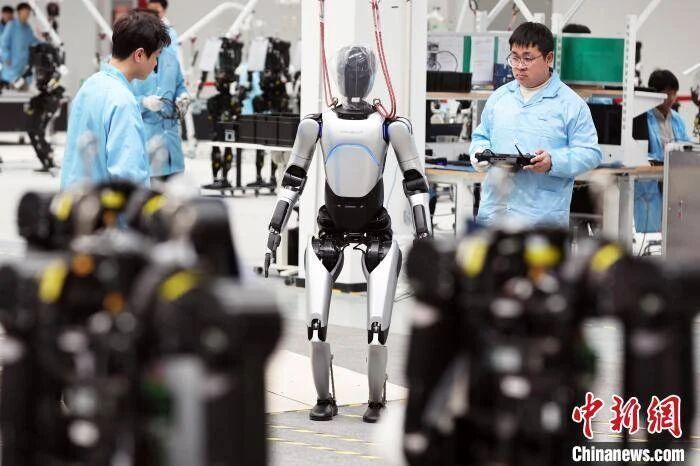
Embodied-AI supply-chain matching led by Aili Liu (The Future Factory). Robotics hackathon. Human-robot creative workshops. NIO EV factory visit on Thursday. The side of AI that walks, drives, and picks things up.

Week 4

Culture & Future

June 1–5

Generative tea gatherings, AI Childlike Creator Lab, Wisdom Card workshops, Future Broadcasting, Life Card sessions, Ordinary Wonders gallery, Screenshots Faire. China's creative side, inside Alibaba's campus. Tencent and NetEase as the global giants you're meeting people from.

One ticket. $149. Stay a day or the whole month.

Yes, $149 for one day feels steep. For a week it's fair. For the full month it's a steal.

Most people come for 7–14 days. Pick the week (or weeks) that matter. Drop in. Drop out. Same ticket.

📅 Live schedule on Luma — opening ceremony, factory visits, hackathons, community calls. The muShanghai organizers publish every event there. See the full calendar on Luma →

The campus — Alibaba HQ, Shanghai

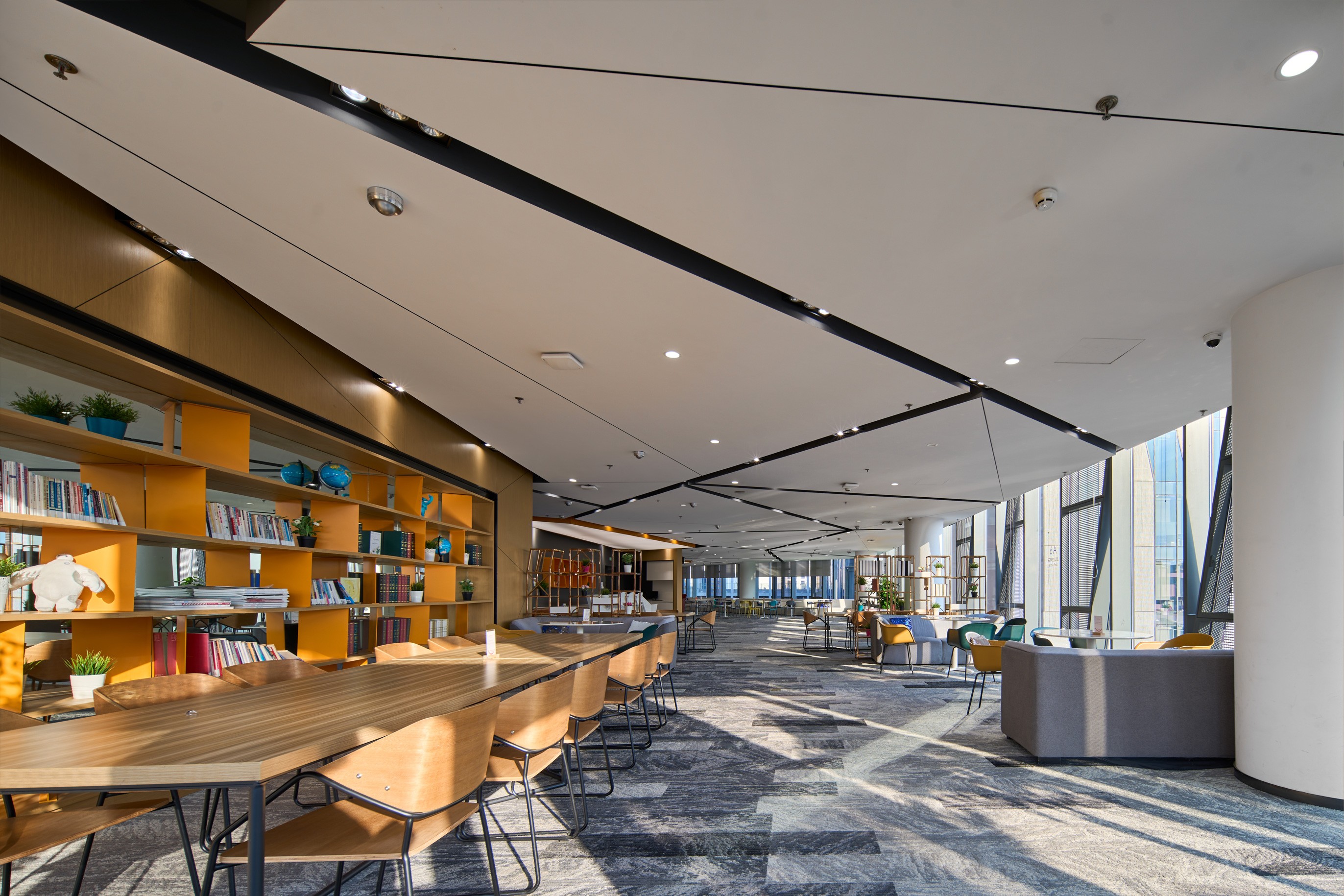
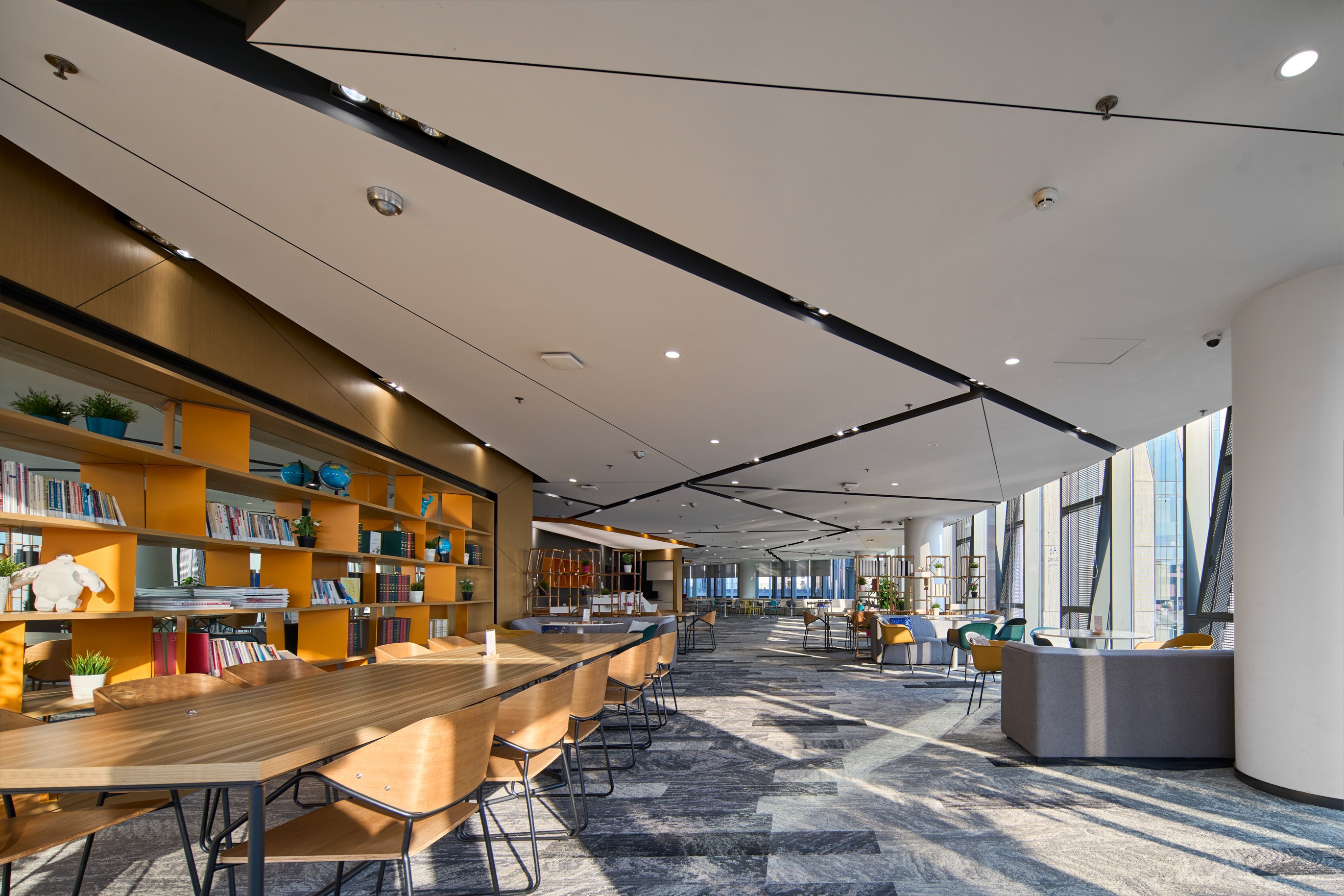
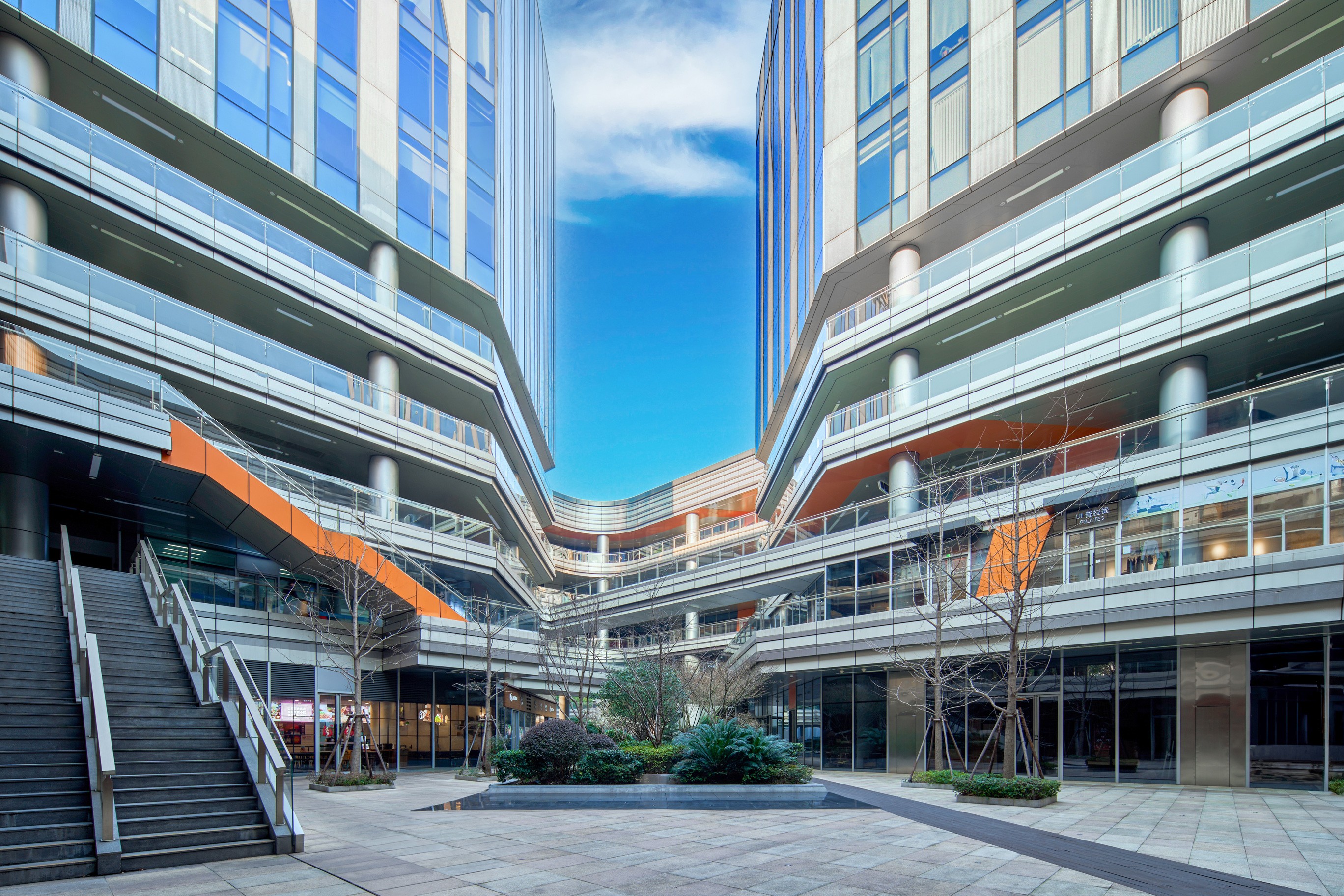
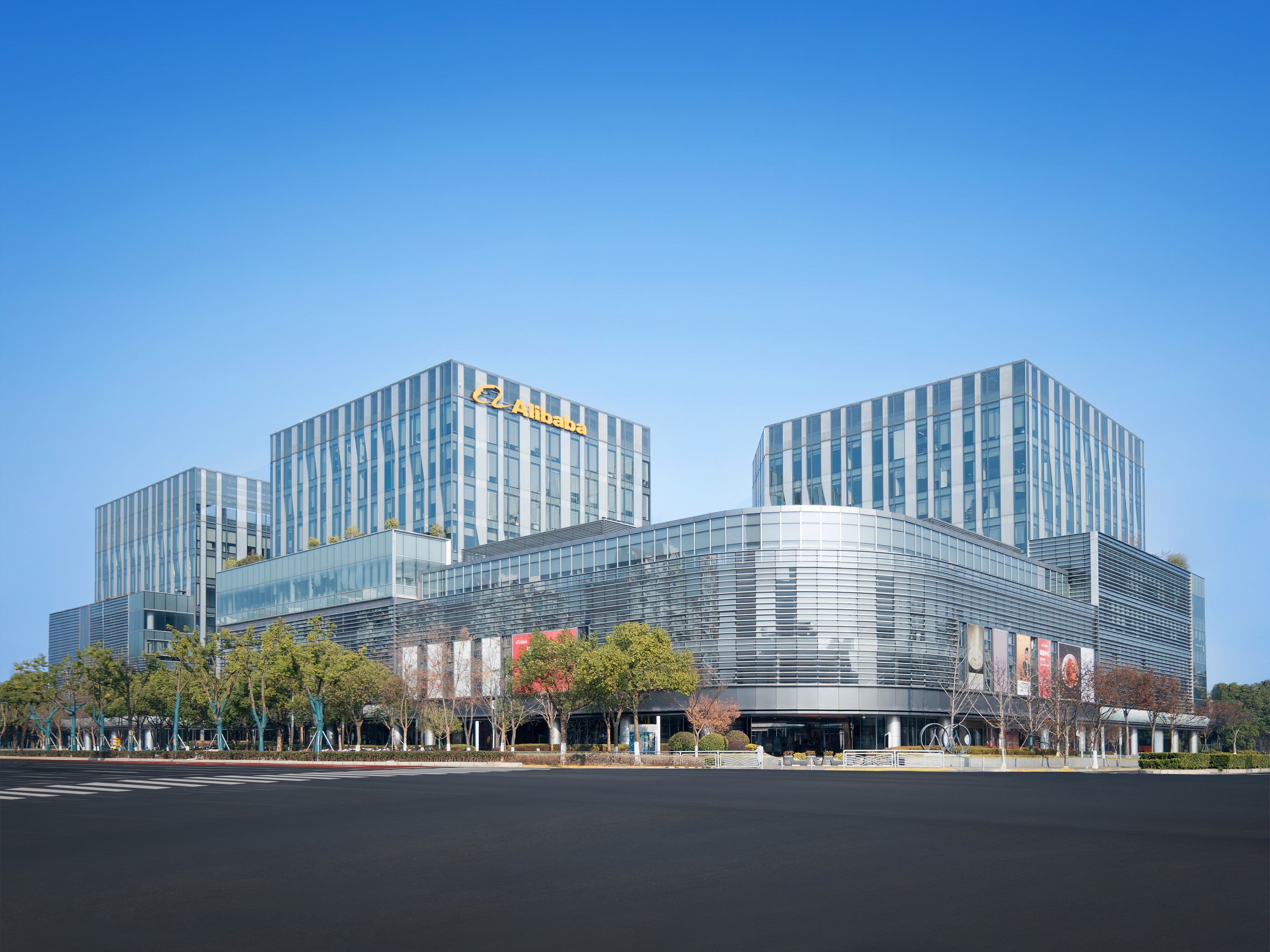
Not a hotel ballroom. muShanghai takes over floors and spaces across the Alibaba HQ campus in Shanghai's Future Sci-Tech City for the entire month — a purpose-fit environment for builders who need to get real work done and run into the right people while doing it.
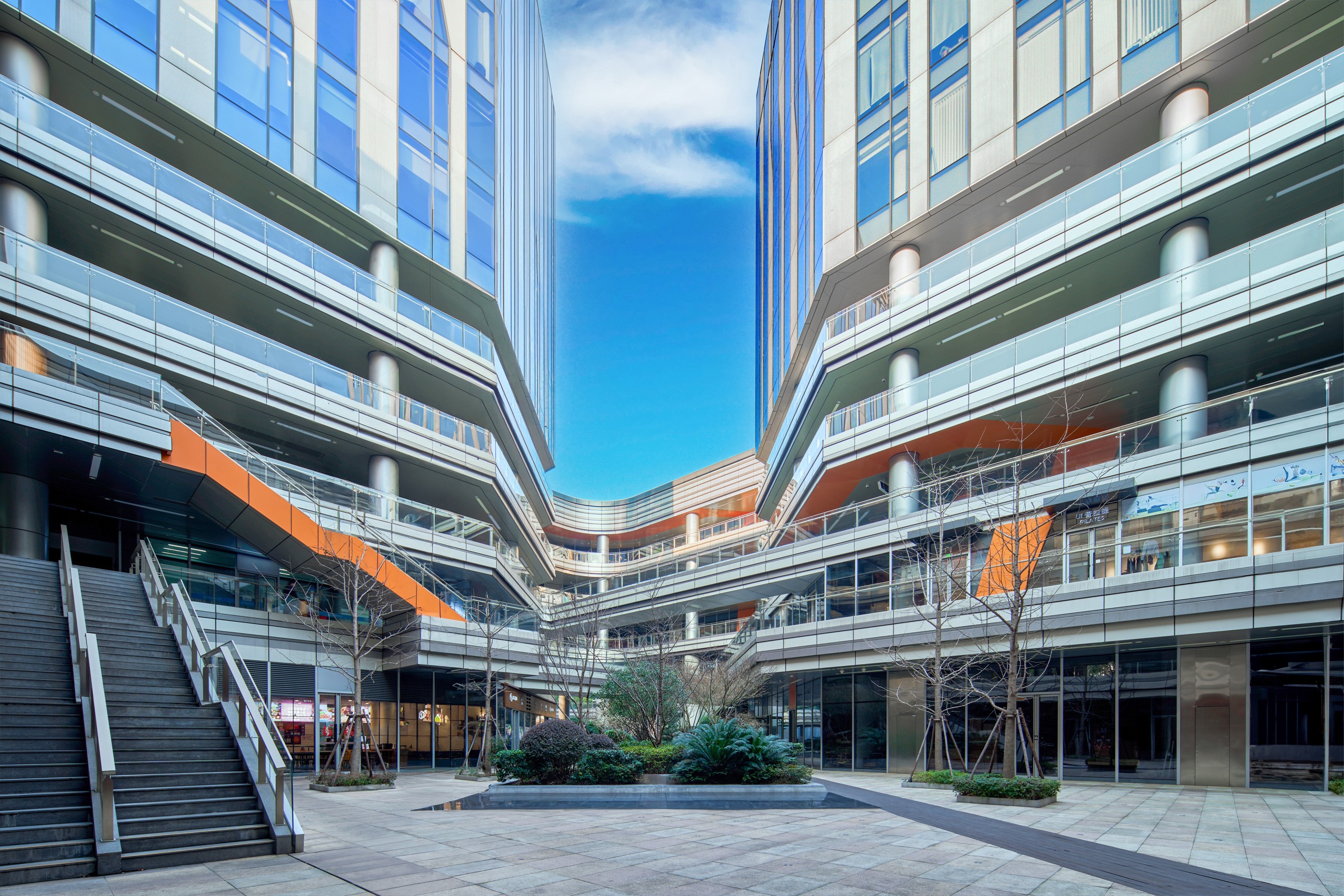
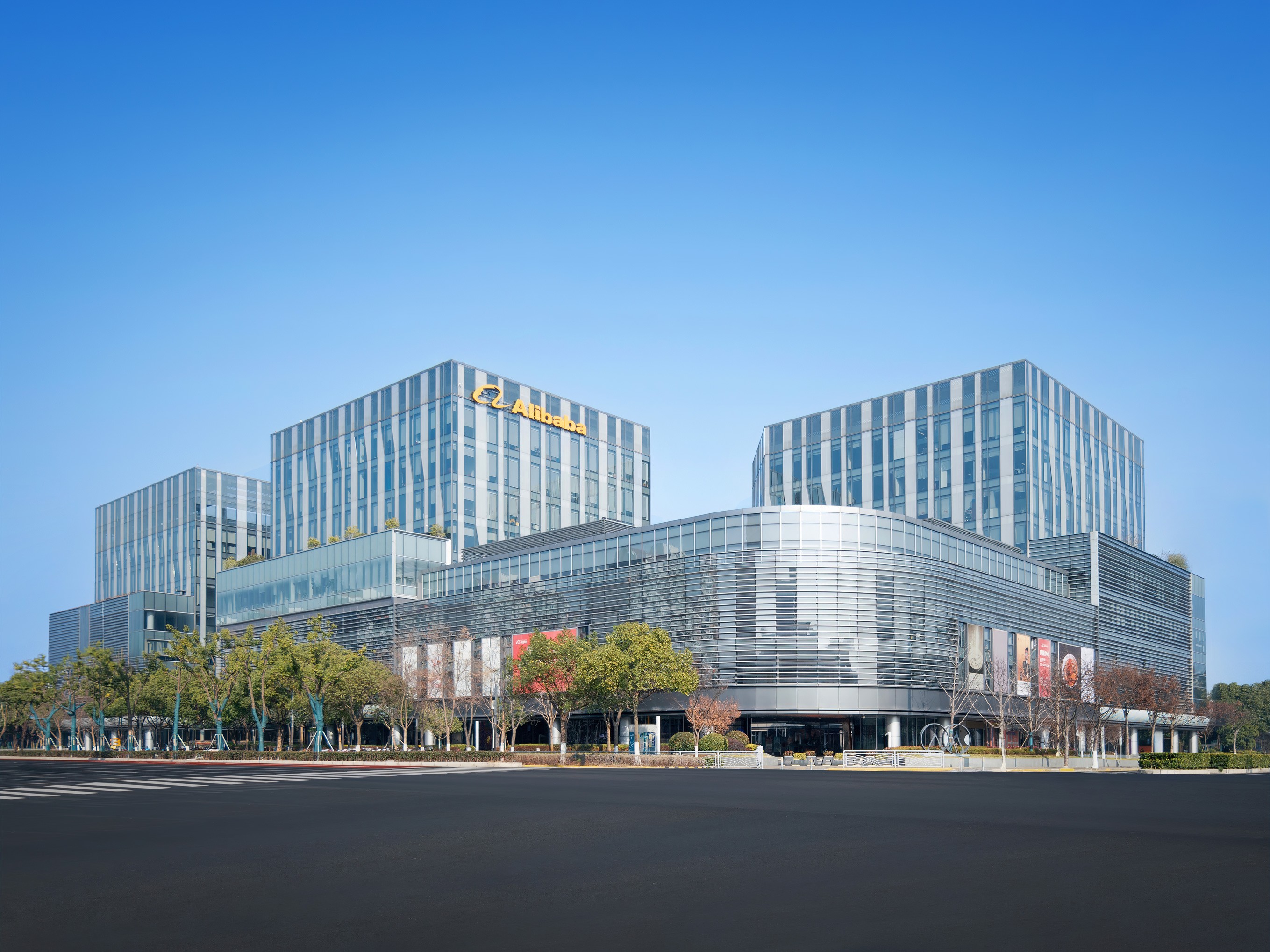
Ali Center lobby, entrance to Alibaba Shanghai HQ Alibaba Shanghai HQ campus atrium and inner buildings Alibaba Shanghai HQ exterior view of the main campus

The Alibaba Shanghai HQ campus — muShanghai's home for the full month of May 2026.
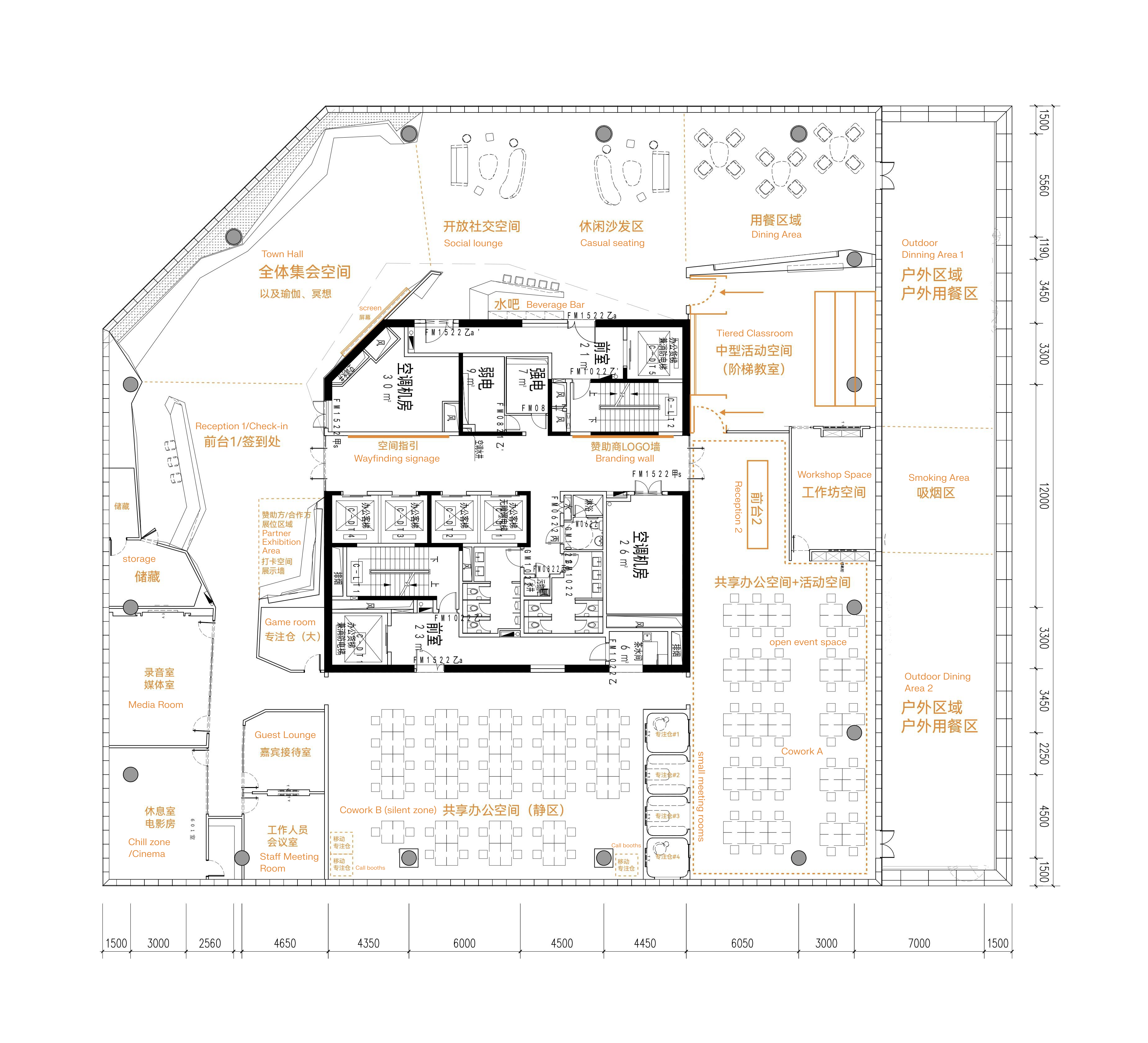
The floorplan

muShanghai 2026 venue floorplan — co-working spaces, tiered classroom, workshop area, media room, game room, outdoor dining areas, beverage bar

The muShanghai campus layout. See the full venue guide →

Cowork A & B Open zone for collaboration + silent zone for deep work
Tiered Classroom Talks, panels, and demo days with proper staging
Workshop Space Hands-on sessions, hackathons, build sprints
Meeting Rooms Private calls, investor meetings, team syncs
Media Room Podcasts, interviews, content creation
Town Hall & Social Lounge Main gathering space, casual seating, beverage bar
Game Room & Cinema Decompress, play, recharge
Outdoor Dining Areas Two terraces for meals and informal conversations

Meet people from these companies

The venue sits in the heart of China's tech ecosystem — near Shanghai Hongqiao Airport, inside the Alibaba HQ campus. Builders, engineers and operators from the companies below either work next door or come in for talks, tours and intros.

Alibaba
ByteDance
TikTok
Tencent
NetEase
Huawei
NIO
DeepSeek
Unitree
Flexiv
WuXi AppTec
Pharmaron
AstraZeneca

Within 10 minutes: Alibaba, ByteDance/TikTok, Tencent, NIO · Within 60 minutes: Huawei, Flexiv, NetEase, WuXi AppTec, Pharmaron · Within 2 hours: DeepSeek, Unitree, AstraZeneca China

Builders already applying from

Applications are rolling in from across the world. A sample of the orgs sending people:

ByteDance
Huawei
NVIDIA
Salesforce
Cisco
Oracle
HSBC
Adyen
Tether
Solana Foundation
Chainlink
Ethereum Foundation
Aave
Flashbots
Starkware
Filecoin
Protocol Labs
BNB Chain
Xpeng
Crecimiento

Plus builders from Tsinghua · Shanghai Jiao Tong · CUHK-Shenzhen · NUS · ETH Zurich · Harvard, and founders from Network School and Frontier Tower.

Why people are coming

Builders from across China, the US, EU and beyond. Here's what they wrote in their applications:

Most common

There's a hard ceiling to what you can understand from the outside

People who've been following China's tech scene remotely and hit a wall. They read the papers, track the repos, ship with Chinese models — but know there's a gap between following from afar and being embedded firsthand.

Founders

Find co-founders and real partnerships, not just contacts

Builders in active co-founder search mode. Looking for Chinese manufacturing partners, distribution channels, or technical co-pilots. They want to leave with LOIs, not LinkedIn connections.

Engineers

Understand how Chinese builders ship so fast

The velocity coming out of Chinese AI labs and hardware companies is staggering. People want to understand the culture, workflows, and decision-making behind it — not just the outputs.

Returning

The Mu community itself

Alumni from previous Mu events in Chiang Mai, Buenos Aires, and Accra who come back for the density: high-signal people, fast trust, real projects in days instead of months.

Applicants so far from Argentina, USA, China, Singapore, India, South Korea, France, Malaysia, Thailand, Kenya and more.

Who's behind this

muShanghai is organized by The Mu, founded by Bohao Sun. The Mu has run pop-up city programs across Argentina, Thailand, Africa, Europe, and the Middle East before bringing the format to Shanghai.

This is their biggest one yet. Partners include the Shanghai MinHang government and Alibaba. The vision: a permanent Global Gateway for international builders in China.

Founder

Bohao Sun

Founded The Mu after running builder communities across four continents. Negotiated the MinHang government partnership and the Alibaba connection that made muShanghai possible at this scale.

Biotech Track Lead

Frank Ji

Computational biology PhD. Built a biotech company from zero to $3M first round. Now connecting Western capital with Chinese biotech pipelines.

Design & Venue

Vee (Cheng Wei)

Designer and venue lead at The Mu for three years. Ran visual design and space planning across the global pop-up cities — now leading the muShanghai campus design and event production. The reliable executor behind what actually gets built on the ground.

International Outreach & First Foreigner

Dr. Dominik Dotzauer

Based between Shenzhen and Shanghai. I heard about muShanghai through a contact, flew to Shanghai to meet Sun, and ended up helping organize the international side. I write about what's actually happening in China's tech scene at First Foreigner.

How I got involved

I heard about muShanghai through a friend, flew to Shanghai to meet Sun, and ended up helping organize the whole thing. Here's the full story.

Read my story

Have they done this before?

In 2024 the same team ran muBuenos Aires — a six-week pop-up city that brought 500+ builders to Argentina. It's where Crecimiento, the org now running the Aleph pop-up city series, was born.
500+
builders at muBuenos
6 weeks
Mar – Apr 2024
3 cities
Buenos Aires, Accra, Shanghai
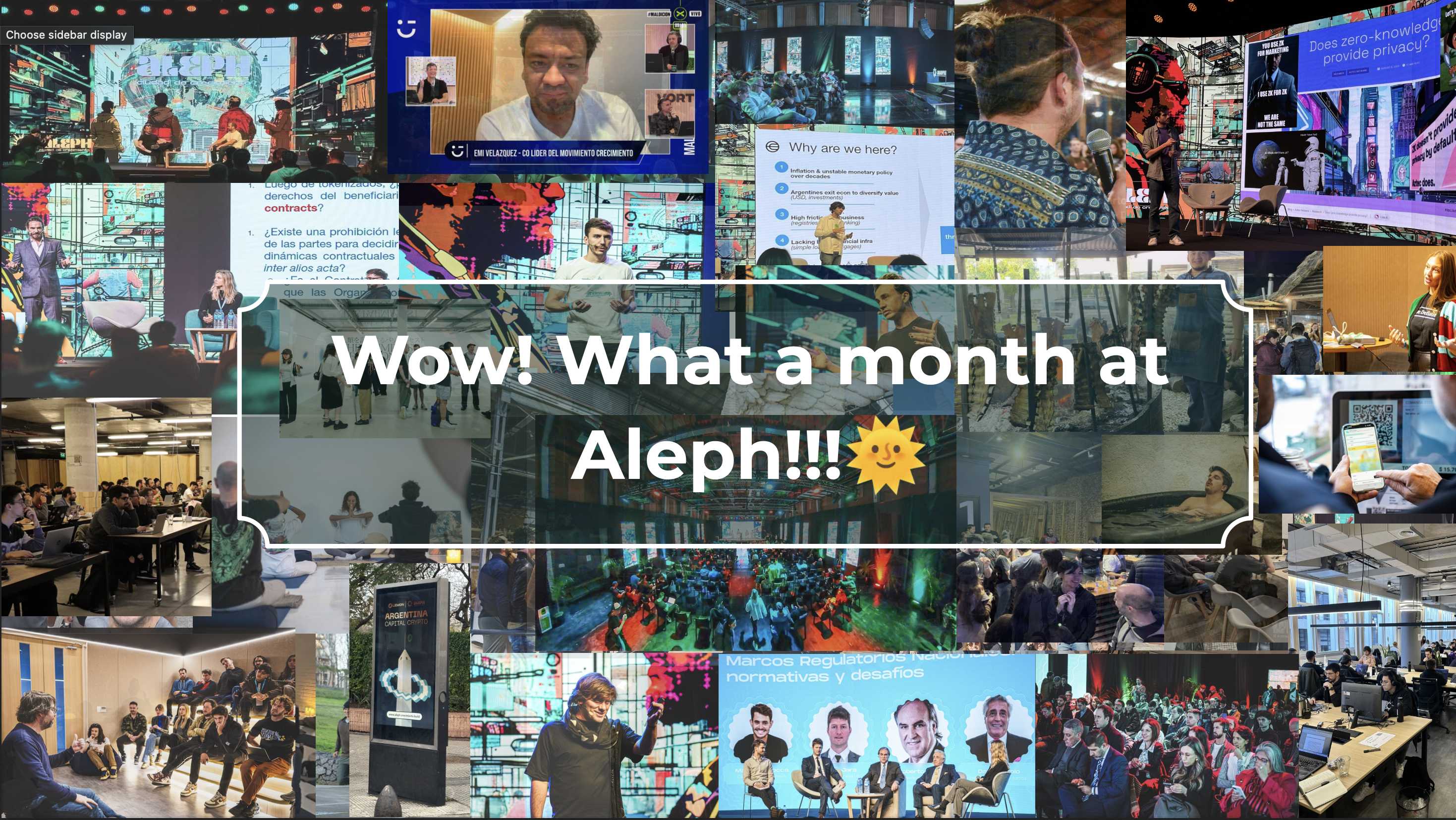
Moments from past Mu pop-ups — sessions, hackathons, talks, community

Past Mu pop-ups. Buenos Aires & Accra, 2024.

Santi Cristobal, now MD of Crecimiento, on how it started:

“On April 28, 2024… during The Mu's pop-up city in the heart of Buenos Aires, a group of dreamers from across the globe came together to ignite something bold.”

Crecimiento then ran Aleph — later declared of Scientific, Technological, and Economic Interest by the Legislature of Buenos Aires City, with coverage in La Nación, The Defiant, and Cointelegraph.

Crecimiento (@crecimientoar), April 2026:

“This May, we're all heading to Shanghai. The entire Crecimiento team is very excited to see what @sunbh_eth and the @themu_xyz team are building with muShanghai.”

muShanghai is The Mu's next one — same founder, bigger partners (Shanghai Minhang government, Alibaba), and the first pop-up city of this scale inside mainland China.

Where to stay

Six foreigner-friendly hotels within walking distance of the Alibaba campus — from a 4-star European brand to budget Chinese chains under 400 RMB/night. Pricing, booking methods (self-booking with discount code or group-booking via muShanghai), platform tips, and the breakdown of each option live in the dedicated guide.

Read the full hotel guide →

Not sure yet?

I'll send you what I learn on the ground in Shanghai — venue updates, who's coming, practical tips for China, and honest takes on whether this is worth your time. No spam. Unsubscribe anytime.

I'm Dominik. I help organize muShanghai and write about China at First Foreigner.

Frequently asked questions

Answers from the organizers and the muShanghai community.

How do I join?
Apply at the-mu.xyz. Once accepted, you'll get a payment link. Early bird: $119 (until April 10). Standard: $149 (until May 3). The application takes about 5 minutes — they're selecting for builders, not spectators.
Do I need a visa?
Most Europeans can enter China visa-free for up to 30 days. Americans, Brits, and Canadians can use the 240-hour (10-day) transit rule. For the full month, a regular tourist visa is the safer route — an invitation letter is available on request. The visa is your responsibility: apply 4–6 weeks before you fly at your local Chinese embassy. Don't leave it until two weeks out.

Non-visa-free nationals (India, etc.): Port-of-entry visas (口岸签证) have worked for some attendees historically, but plan for the regular route and treat the port-of-entry path as a fallback you arrange yourself. Apply 4–6 weeks ahead.

Use our interactive visa checker for your nationality. See our full China visa guide for the complete breakdown.
What about the internet?
The muShanghai hub has unrestricted internet — Google, GitHub, X, everything works. Outside the hub, the organizers will share recommendations for accessing your usual apps and messaging services.
How much will the full month cost?
Ticket: $119–$149. Monthly living costs in Shanghai: approximately $1,500–$3,000 depending on your lifestyle (accommodation, food, transport). Flights are separate. Shanghai is significantly cheaper than San Francisco, New York, or London.
Where is the venue?
The muShanghai hub is approximately 2 minutes from Shanghai Hongqiao International Airport, in the MinHang district. It's surrounded by tech company HQs — Alibaba, TikTok, Tencent, and NIO are all within 10 minutes. See the full venue guide with floorplan →
Do I have to stay the full month?
No. Drop in for a day, a week, or just the track that matters most to you. The ticket covers the full month — come and go as you like.
Is accommodation included?
No — but we’ve identified six hotels in walking distance of the venue, all foreigner-friendly, ranging from 4-star to budget. See the full muShanghai hotel guide for the breakdown of each option (Steigenberger down to budget chains under 400 RMB), or jump to the accommodation section above.
Can I attend multiple tracks?
Yes. All tracks are open to everyone. No need to specialize in one — attend whichever sessions interest you.
Are there scholarships?
Yes, primarily for students. Contact the organizers directly.
Do I need to speak Mandarin?
No. The event is bilingual. Most programming is in English. Shanghai is one of the most international cities in China — you can navigate daily life without Mandarin, though knowing a few words helps.
What about payments in China?
China runs on mobile payments (Alipay and WeChat Pay). The organizers help you set up Alipay, which now works with international credit cards. Cash is rarely needed.
I'm an investor or company. Is there a premium track?
There's no official premium track. But I've been in China for a while and have built relationships with founders, manufacturers, and government contacts across Shenzhen and Shanghai. If you're an investor or company looking for specific introductions, reach out to me directly — happy to help connect you with the right people.

Ready?

May 10 – June 6, 2026. Shanghai. 28 days. $149.

Apply now